
 By snap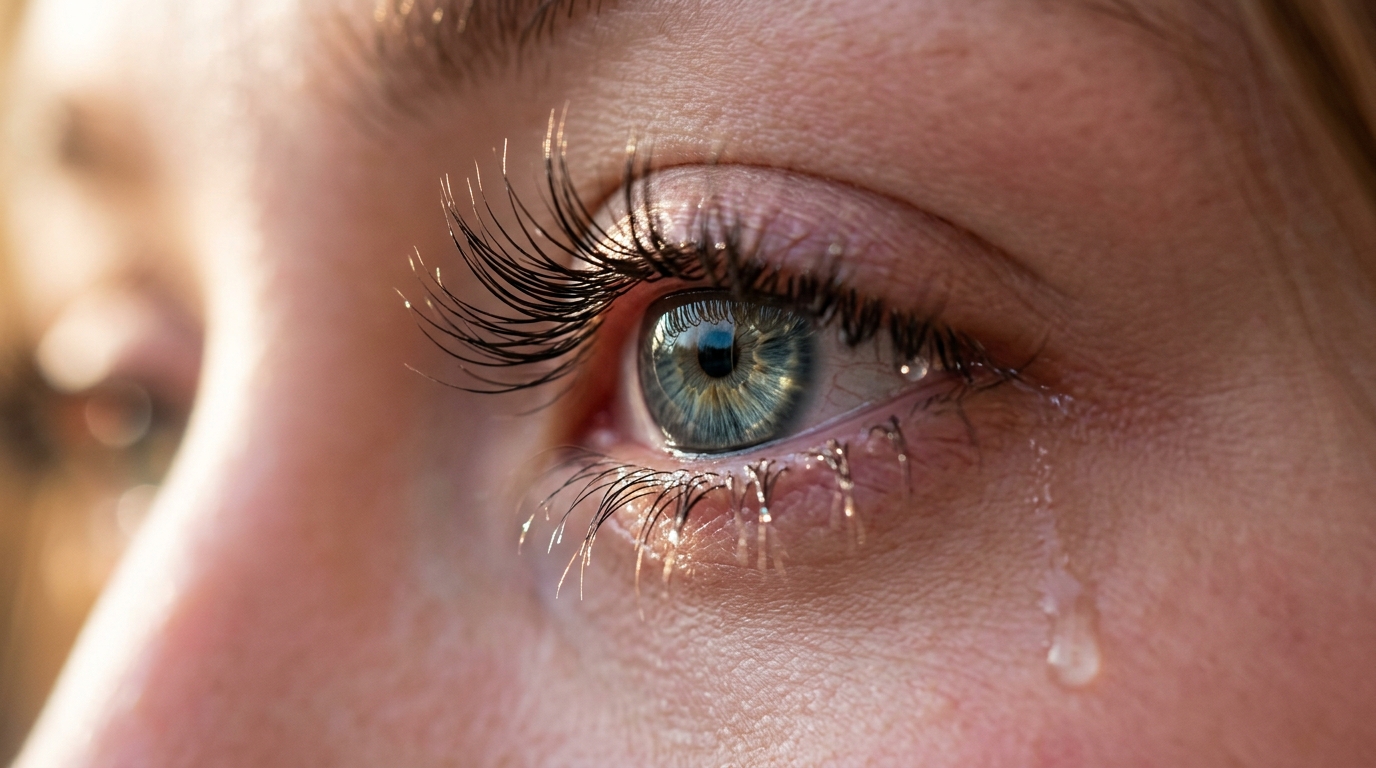
Many people have genuinely wondered whether does crying make your eyelashes longer after noticing their lashes appear fuller post-cry. Furthermore, this curious beauty question circulates endlessly across social media platforms, beauty forums, and casual conversations worldwide. Some swear their lashes look dramatically longer and darker immediately after an emotional crying session. In addition, the visual effect seems convincing enough to make even skeptical people pause and reconsider their assumptions. However, understanding the actual science behind lash growth reveals a far more fascinating and nuanced truth entirely.
The Origin of This Popular Beauty Myth
Where Did This Belief Actually Come From?
This particular beauty myth likely originated from simple visual observation during and after crying episodes. Tears wet the lashes completely, causing them to clump together into thicker and more dramatic-looking clusters. Furthermore, the moisture weighs the lashes down slightly and then lifts them as they dry naturally. Consequently, the overall lash line appears fuller, darker, and more defined than it normally does when dry.
Many people also cry while wearing mascara, which runs and redistributes pigment along the lash line. This redistributed mascara creates an accidentally enhanced lash appearance that looks more dramatic and noticeable. Moreover, emotional crying often brings blood flow to the face, which brightens the eyes and makes lashes pop. Therefore, the visual evidence seems convincing even though the underlying biological explanation tells a completely different story.
Why Do People Believe It So Strongly?
Human beings naturally trust their own visual experiences and observations above abstract scientific explanations. When someone notices their lashes appear longer after crying repeatedly, they develop a genuine belief in the pattern. Furthermore, confirmation bias encourages people to remember the times this observation seemed true while forgetting contradictory evidence. Consequently, the myth spreads through shared personal anecdotes that feel more relatable than clinical research findings.
Social media amplifies this tendency by rewarding engaging and surprising beauty claims with enormous reach. Moreover, the idea that something as simple and free as crying could enhance beauty holds enormous appeal. Therefore, the myth persists and grows despite having no credible scientific foundation supporting it whatsoever. In addition, beauty myths often survive for decades simply because they touch something emotionally resonant in human experience.
What Science Actually Says About Crying and Lashes
How Tears Chemically Interact With Eyelashes
Tears contain a fascinating mixture of water, salt, proteins, oils, and antibodies working together. This complex fluid composition lubricates and protects the eye surface during emotional and reflexive crying episodes. Furthermore, the salt content in emotional tears differs slightly from the basal tears your eyes produce constantly. Consequently, emotional tears carry a slightly different chemical profile that interacts with the lash and eye area uniquely.
The proteins and lipids within tears do coat the lash surface temporarily during crying sessions. Moreover, this temporary coating may add a very slight visual thickness to each individual lash momentarily. However, this effect disappears completely once the tears dry and the lashes return to their normal state. Therefore, tears create no lasting structural change to the lash fiber, follicle, or growth cycle whatsoever.
Does Salt Water Stimulate Hair Follicle Growth?
Some people point to the saltwater content of tears as a potential follicle stimulator for lash growth. The idea suggests that salt water nourishes or awakens dormant hair follicles along the eyelid margin. However, scientific research finds absolutely no credible evidence supporting this particular hypothesis in any context. Furthermore, the concentration of salt in tears actually falls well below the level needed to influence follicle biology.
Hair follicle stimulation requires specific growth factors, hormones, and biological signals working within the dermis layer. Moreover, topical salt water application does not penetrate deep enough to influence follicle activity in meaningful ways. Therefore, the saltwater argument for crying-induced lash growth fails to hold up under any scientific scrutiny. In addition, the brief contact time between tears and lashes makes any follicle influence essentially impossible biologically.
The Temporary Visual Effect Explained Clearly
The most honest explanation involves simple physics and optics rather than any biological growth mechanism. Wet lashes stick together, forming thicker bundles that catch more light and create greater visual impact. Furthermore, the moisture darkens the lash color temporarily, increasing the contrast against the skin around the eye. Consequently, the lashes genuinely do look longer, fuller, and more dramatic during and immediately after crying.
This exact principle explains why mascara enhances lashes so effectively and dramatically. Moreover, water mimics the bundling and darkening effect that mascara creates through pigment and volumizing polymers. Therefore, the perceived lengthening effect from crying mimics the cosmetic effect of makeup rather than actual biological growth. In addition, this temporary enhancement disappears completely within minutes of the tears drying on the lashes.
Understanding Real Eyelash Growth Biology
How Eyelashes Actually Grow
Eyelashes follow the same three-phase growth cycle that governs all hair on the human body. The anagen phase involves active cellular division within the follicle, producing visible lash growth above the eyelid. Furthermore, this active growth phase for eyelashes lasts only thirty to forty-five days before transitioning. Consequently, eyelashes never grow as long as scalp hair because their active growth window closes much sooner.
The catagen phase follows, representing a brief transition period lasting approximately two to three weeks. During this stage, the follicle shrinks and lash growth completely stops without any shedding yet occurring. Moreover, the telogen phase brings the final resting stage before the old lash naturally falls out. In addition, a new anagen phase begins in the same follicle shortly after shedding, continuing the cycle perpetually.
What Actually Determines Lash Length and Thickness
Genetics plays the single most powerful role in determining your natural eyelash length, curl, and thickness. Your DNA programs the duration of the anagen phase, which directly limits how long each lash can grow. Furthermore, genetics also determines follicle density along the lash line and the natural pigmentation of each lash. Consequently, some people naturally grow longer, thicker lashes simply because their genetic programming favors it.
Hormonal levels also significantly influence lash growth throughout different life stages and conditions. Moreover, thyroid hormones, estrogen, and growth hormones all affect the activity level of hair follicles across the body. Therefore, hormonal imbalances sometimes cause noticeable lash thinning, shortening, or excessive shedding in affected individuals. In addition, addressing underlying hormonal issues often produces meaningful improvement in lash density and growth naturally.
The Role of Nutrition in Lash Growth
Every hair follicle in your body requires specific nutrients to function optimally and produce healthy growth. Biotin, also known as vitamin B7, supports keratin production, which forms the primary structural protein of lashes. Furthermore, iron deficiency represents one of the most common nutritional causes of hair and lash loss globally. Consequently, maintaining adequate iron levels through diet or supplementation directly supports healthy lash retention and growth.
Vitamins A, C, D, and E all contribute to follicle health and the cellular processes supporting growth. Moreover, omega-3 fatty acids nourish the follicle and support the lipid layer surrounding each growing lash. Therefore, eating a balanced and nutrient-dense diet creates the biological foundation for the healthiest possible lash growth. In addition, staying well hydrated supports cellular function throughout the body, including within delicate lash follicles.
Common Factors That Damage and Stunt Lash Growth
Harsh Makeup Removal Habits
Aggressively rubbing the eye area during makeup removal causes significant mechanical damage to lash follicles. The friction physically pulls lashes from their follicles before they complete their natural growth cycle. Furthermore, using rough cloths, cotton pads, or excessive pressure compounds the damage during every removal session. Consequently, repeated aggressive rubbing gradually thins the lash line and reduces overall density over months.
Switching to a gentle oil-based remover applied with light, downward strokes dramatically reduces mechanical lash loss. Moreover, soaking a cotton pad and holding it gently over the eye dissolves mascara without requiring harsh rubbing. Therefore, changing your makeup removal technique represents one of the simplest and most impactful lash care improvements. In addition, using a clean and soft applicator rather than rough materials further minimizes follicle disruption during removal.
Excessive and Improper Mascara Use
Wearing waterproof mascara daily stresses the lashes due to the aggressive removal process it requires. The strong bonding agents in waterproof formulas cling to lash fibers and resist gentle cleansing effectively. Furthermore, the forceful removal needed to break down waterproof mascara consistently causes mechanical lash breakage. Consequently, reserving waterproof formulas for special occasions rather than daily wear protects the lashes significantly.
Old mascara also harbors bacteria that can infect the lash follicles and disrupt healthy growth cycles. Moreover, applying multiple heavy coats daily weighs down the lashes and creates brittleness along the lash shaft. Therefore, replacing mascara every three months and using one to two coats daily represents a healthier approach. In addition, choosing a lengthening mascara with conditioning ingredients provides cosmetic enhancement without excessive damage.
Eyelash Curler Misuse
Metal eyelash curlers apply significant pressure to the lash shaft during every curling session. Using a curler incorrectly or too forcefully causes the lash to snap or break at the crimp point. Furthermore, curling dry lashes after applying mascara almost always results in lash breakage and loss. Consequently, curling before mascara application on clean, dry lashes minimizes the risk of mechanical damage significantly.
Replacing the rubber pad on your eyelash curler regularly prevents sharp edges from cutting through lashes. Moreover, heated lash curlers offer a gentler alternative that lifts without applying direct mechanical pressure. Therefore, treating your eyelash curler with the same care as any other beauty tool protects your lash health. In addition, limiting curling to three to four times per week rather than daily reduces cumulative stress on the lashes.
Sleeping in Eye Makeup
Falling asleep without removing eye makeup creates multiple problems for lash health overnight. Mascara stiffens the lashes during sleep, making them brittle and prone to snapping against the pillowcase. Furthermore, dried mascara flakes enter the eye and can cause irritation that leads to unconscious rubbing. Consequently, this rubbing dislodges lashes prematurely and inflames the follicles along the delicate lash line.
Long-term sleeping in mascara can also cause a condition called trichomegaly, involving abnormal lash changes. Moreover, blocked follicles from accumulated product prevent healthy new lash growth from emerging properly. Therefore, making makeup removal an absolute non-negotiable part of every nighttime routine protects the entire lash ecosystem. In addition, keeping gentle micellar water and cotton pads beside the bed eliminates any excuse for skipping removal.
Proven Methods That Actually Promote Lash Growth
Using a Quality Lash Serum Consistently
Lash growth serums represent the most evidence-supported topical approach to improving lash length and density. Many effective serums contain peptides, biotin, and panthenol that nourish follicles and extend the active growth phase. Furthermore, prescription bimatoprost, originally developed as a glaucoma medication, demonstrably increases lash length and thickness. Consequently, dermatologists and ophthalmologists sometimes recommend it specifically for clients seeking clinically proven results.
Over-the-counter serums with peptide complexes and plant stem cells also show promising results with consistent use. Moreover, applying the serum nightly along the lash line after makeup removal maximizes absorption and effectiveness. Therefore, giving any lash serum at least eight to twelve weeks of consistent use allows fair assessment of results. In addition, pairing serum use with gentle overall lash care amplifies the visible improvement significantly.
Applying Castor Oil to the Lash Line
Castor oil has enjoyed enormous popularity as a natural lash growth remedy for many decades. This thick, ricinoleic acid-rich oil nourishes the follicle and creates a protective coating around each lash shaft. Furthermore, its anti-inflammatory properties may support a healthier follicle environment for optimal lash growth. Consequently, many people report noticeably thicker and stronger lashes after several weeks of consistent castor oil application.
Using a clean mascara wand to apply a small amount of castor oil nightly works most effectively. Moreover, the key involves consistency over time rather than expecting dramatic results from occasional use. Therefore, committing to nightly castor oil application for at least six to eight weeks allows meaningful evaluation. In addition, using cold-pressed, hexane-free castor oil ensures the purest and most beneficial form for follicle nourishment.
Eating a Lash-Supportive Diet
Building a nutrient-rich diet specifically supports follicle function and healthy keratin production throughout the body. Eggs provide both biotin and protein in a highly bioavailable form that directly supports hair and lash growth. Furthermore, leafy greens deliver iron, folate, and vitamins that nourish follicles and support cellular reproduction. Consequently, including these foods consistently creates a strong nutritional foundation for maximum natural lash potential.
Salmon, mackerel, and other fatty fish provide omega-3 fatty acids that keep follicles healthy and lubricated. Moreover, nuts and seeds deliver vitamin E, zinc, and selenium that support the overall health of hair follicles. Therefore, viewing your daily diet as a direct investment in your lash health shifts nutritional priorities meaningfully. In addition, reducing processed foods, excess sugar, and alcohol creates a cleaner internal environment for optimal follicle function.
Taking Targeted Supplements Wisely
Biotin supplements have gained enormous popularity for promoting hair, nail, and lash growth in recent years. Many beauty influencers and dermatologists recommend biotin as a foundational supplement for lash improvement. Furthermore, iron, zinc, and vitamin D supplements address common deficiencies that contribute to lash thinning and shedding. Consequently, getting blood work done before supplementing helps identify specific deficiencies worth targeting directly.
Collagen supplements support the extracellular matrix surrounding each follicle and may improve lash quality. Moreover, marine collagen in particular provides amino acids that the body uses directly in keratin synthesis. Therefore, consulting a healthcare provider before beginning any supplement regimen ensures safety and appropriate dosing. In addition, combining supplements with dietary improvements and topical care creates the most comprehensive approach to lash growth.
What You Can Do Right Now to Improve Your Lashes
Build a Gentle Daily Lash Care Routine
Establishing a consistent and gentle daily routine forms the single most important foundation for lash health. Remove eye makeup gently every night using a formula appropriate for your specific mascara type. Furthermore, apply a nourishing lash serum or natural oil along the lash line before sleeping each night. Consequently, this simple two-step nightly routine actively supports follicle health during the body’s natural overnight repair cycle.
Brushing the lashes gently with a clean spoolie each morning improves circulation and distributes natural oils. Moreover, this brief daily habit keeps lashes aligned, separated, and looking their absolute natural best. Therefore, investing just five minutes in dedicated lash care each day delivers compounding benefits over weeks and months. In addition, protecting the eye area from excessive sun exposure preserves follicle health and prevents premature lash aging.
Choose Lash-Friendly Makeup Products
Selecting mascaras and eye products formulated with conditioning ingredients protects lashes during regular cosmetic use. Look for formulas containing argan oil, vitamin E, or provitamin B5 on the ingredient label specifically. Furthermore, avoiding tubing mascaras that grip lashes too aggressively reduces mechanical stress during removal. Consequently, making smarter product choices allows you to enjoy beautiful eye makeup without sacrificing long-term lash health.
Ophthalmologist-tested and hypoallergenic formulas reduce the risk of irritation and inflammatory follicle responses. Moreover, choosing products free from harsh preservatives and alcohol prevents unnecessary dryness along the lash line. Therefore, reading ingredient labels with the same care you apply to skincare products transforms your eye makeup choices. In addition, periodically taking mascara-free days gives lashes a beneficial rest from daily product accumulation and stress.
Final Thoughts on Crying and Eyelash Length
The evidence clearly and definitively shows that crying does not make your eyelashes grow longer in any biological sense. Furthermore, the compelling visual effect that triggers this belief involves simple physics, optics, and temporary moisture rather than growth. Understanding this distinction empowers you to focus your energy on methods that genuinely and measurably improve lash health. Moreover, embracing evidence-based lash care produces real, lasting results that no amount of crying could ever achieve naturally.
In conclusion, your lashes respond to nourishment, gentle handling, targeted serums, and thoughtful nutrition far more than tears. Therefore, channel your energy into building a consistent lash care routine rather than waiting for emotional moments to help. In addition, appreciating the temporary beauty of tear-wet lashes for what it truly is brings a refreshing and honest perspective. Ultimately, healthy, well-cared-for lashes always look more beautiful and feel more rewarding than any beauty myth could promise.