
 By snap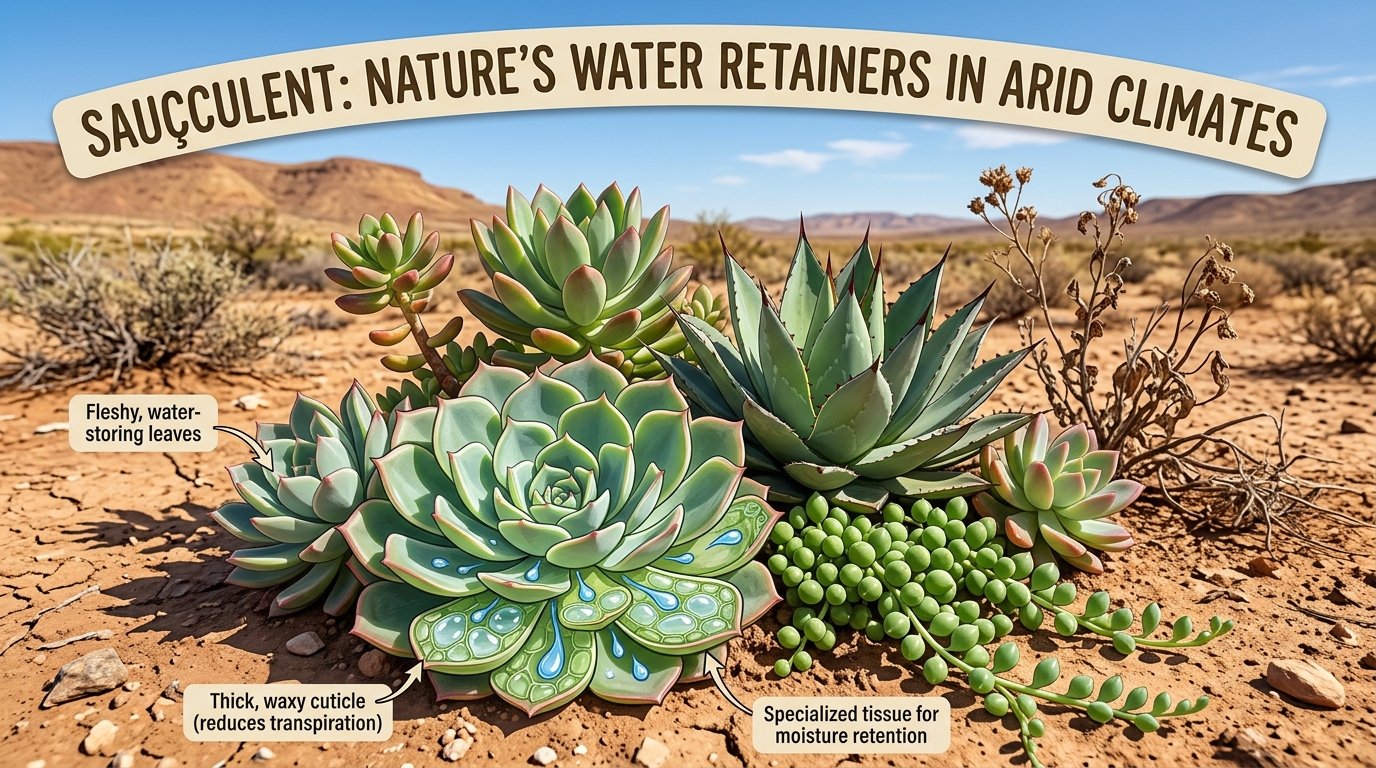
Survival in harsh, dry environments requires remarkable biological adaptations that most plants simply cannot achieve. Sauçculent plants represent nature’s ingenious solution to water scarcity, storing moisture efficiently within thick, fleshy tissues. Consequently, these resilient organisms thrive in conditions that would quickly kill less specialized vegetation. As climate change increases drought frequency worldwide, understanding these water-retaining plants becomes increasingly relevant for gardeners and ecologists alike. This article explores how these remarkable plants survive, their ecological significance, and their growing popularity in modern landscaping practices.
Understanding Water Retention Mechanisms
These specialized plants have evolved sophisticated internal structures that allow them to store water efficiently during periods of abundance. Thick, fleshy leaves and stems contain specialized cells capable of expanding significantly to accommodate stored moisture reserves. Consequently, these plants can survive extended drought periods by gradually drawing upon these internal water reserves as needed. Additionally, many species have developed waxy outer coatings that reduce water loss through evaporation, further enhancing their survival capabilities. Because of these combined adaptations, these plants thrive in environments where rainfall remains unpredictable and often severely limited.
The Role of Cellular Structure
At the cellular level, water-retaining plants possess unique structural features that distinguish them from typical, non-succulent vegetation entirely. Large vacuoles within plant cells store water efficiently, expanding and contracting based on moisture availability throughout seasonal cycles. Furthermore, specialized tissues called parenchyma cells provide the bulk storage capacity that gives these plants their characteristic fleshy, swollen appearance. Additionally, reduced surface area relative to volume helps minimize water loss, since less surface exists for evaporation to occur. As a result, this efficient cellular architecture enables remarkable water conservation compared to plants lacking these specialized adaptations.
Adaptations for Arid Survival
Beyond internal water storage, these resilient plants have developed numerous additional adaptations supporting survival in extremely dry conditions. Many species have reduced or modified leaves, minimizing surface area exposed to intense sunlight and drying winds. Consequently, some plants rely primarily on their stems for photosynthesis, further reducing water loss through traditional leaf structures. Additionally, extensive but shallow root systems allow these plants to quickly absorb any available moisture following infrequent rainfall events. Because these adaptations work together synergistically, these plants achieve remarkable resilience despite extremely challenging environmental conditions.
Specialized Photosynthesis Processes
Many arid-adapted plants utilize a specialized photosynthetic process called Crassulacean Acid Metabolism, commonly abbreviated as CAM photosynthesis. Unlike typical plants that open stomata during daylight hours, CAM plants open these pores primarily at night instead. Therefore, this adaptation significantly reduces water loss, since cooler nighttime temperatures result in less evaporation through open stomata. Subsequently, these plants store carbon dioxide overnight, using it for photosynthesis during daylight hours while stomata remain closed. As a result, this remarkable metabolic adaptation allows continued growth and energy production despite severely limited water availability.
Ecological Importance in Desert Ecosystems
These water-retaining plants play crucial ecological roles within desert and arid ecosystems, supporting broader biodiversity in challenging environments. Many desert animals rely on these plants for both hydration and nutrition, particularly during extended dry seasons. Consequently, these plants serve as critical resources within food webs that would otherwise struggle to support diverse wildlife populations. Additionally, their root systems help stabilize soil, preventing erosion in environments where vegetation cover often remains sparse. Because of these ecological contributions, these plants support broader ecosystem health beyond their individual survival benefits alone.
Supporting Desert Wildlife
Various desert animals have developed relationships with water-retaining plants, relying on them for survival during harsh, dry periods. Some species consume plant tissues directly, accessing stored water reserves that provide crucial hydration in waterless environments. Meanwhile, other animals seek shelter among these plants, benefiting from shade and protection from extreme temperatures and predators. Additionally, flowering succulent species provide important nectar sources for pollinators, supporting broader ecosystem interactions and biodiversity. Consequently, these plants function as keystone species in many arid ecosystems, supporting wildlife populations that depend on their presence.
Popular Species and Their Characteristics
Numerous species exemplify these remarkable water-retention adaptations, each displaying unique characteristics suited to specific environmental conditions. Some species feature rosette-shaped growth patterns, maximizing water collection efficiency while minimizing surface area exposed to intense sunlight. Others display columnar growth forms, similar to cacti, storing substantial water reserves within thick, ribbed stems. Additionally, some species produce striking flowers, adding ornamental value alongside their practical water-storage capabilities. Because of this diversity, gardeners and landscapers can choose species matching specific aesthetic preferences while maintaining drought-tolerant, low-maintenance garden designs.
Regional Variations and Adaptations
Different arid regions worldwide have produced distinct plant species, each adapted to specific local climate and soil conditions. Consequently, plants native to rocky, mountainous deserts often differ significantly from those adapted to sandy, coastal arid environments. Additionally, temperature variations between regions influence which specific adaptations prove most beneficial for individual plant survival. Furthermore, soil composition affects root structure development, with some species adapting to rocky substrates while others thrive in sandier conditions. As a result, this regional diversity showcases the remarkable adaptability of water-retaining plants across varied arid environments globally.
Growing These Plants in Home Gardens
Increasingly, gardeners incorporate these resilient, water-retaining plants into home landscapes, particularly in regions experiencing water scarcity concerns. These plants offer practical benefits, requiring significantly less water and maintenance compared to traditional garden vegetation. Consequently, incorporating these species into landscaping helps reduce water consumption while maintaining attractive, thriving outdoor spaces. Additionally, many species adapt well to container gardening, making them suitable for indoor spaces or areas with limited outdoor growing room. Because of their low-maintenance nature, these plants appeal particularly to gardeners seeking sustainable, environmentally conscious landscaping solutions.
Essential Care Requirements
While generally low-maintenance, these plants still require specific care considerations to thrive successfully in home garden settings. Proper drainage remains essential, since excessive moisture retention around roots can lead to rot and plant death. Therefore, well-draining soil mixtures, often incorporating sand or perlite, help prevent water accumulation around sensitive root systems. Additionally, while these plants tolerate drought well, occasional deep watering during active growing seasons supports healthy growth and development. Consequently, understanding these specific care requirements helps gardeners successfully cultivate thriving, healthy plants despite their drought-tolerant nature.
Sustainable Landscaping and Water Conservation
As water scarcity becomes increasingly pressing globally, these drought-tolerant plants offer valuable solutions for sustainable landscaping practices. Xeriscaping, a landscaping approach emphasizing water conservation, increasingly incorporates these resilient species as foundational garden elements. Consequently, homeowners and municipalities alike recognize the practical benefits of reducing water consumption through thoughtful plant selection. Additionally, these landscaping approaches often reduce maintenance costs significantly, since drought-tolerant plants require less frequent watering and care. Because of these combined benefits, sustainable landscaping incorporating these plants continues gaining popularity across increasingly water-conscious communities worldwide.
Climate Change and Future Relevance
As climate change increases drought frequency and severity across many regions, these water-retaining plants become increasingly relevant for sustainable gardening. Many regions previously suitable for traditional, water-intensive landscaping now face growing pressure to adopt more sustainable alternatives. Consequently, understanding and incorporating these resilient plant species will likely become increasingly important for future landscaping and conservation efforts. Additionally, ongoing research into these plants’ adaptations may reveal valuable insights applicable to broader agricultural and conservation challenges. As environmental conditions continue shifting, these remarkable plants offer valuable lessons in resilience and efficient resource utilization.
Conclusion
Sauçculent plants demonstrate remarkable evolutionary ingenuity, thriving in some of the world’s most challenging, water-scarce environments through specialized adaptations. From unique cellular structures to specialized photosynthetic processes, these plants showcase nature’s incredible capacity for resourceful survival strategies. Beyond their individual resilience, these plants support broader desert ecosystems, providing crucial resources for wildlife while stabilizing fragile soil systems. As water scarcity concerns grow globally, incorporating these drought-tolerant species into landscaping offers practical, sustainable solutions for water-conscious gardeners. Ultimately, these remarkable plants exemplify how nature’s ingenious adaptations continue offering valuable lessons in resilience, efficiency, and environmental sustainability.