
 By snap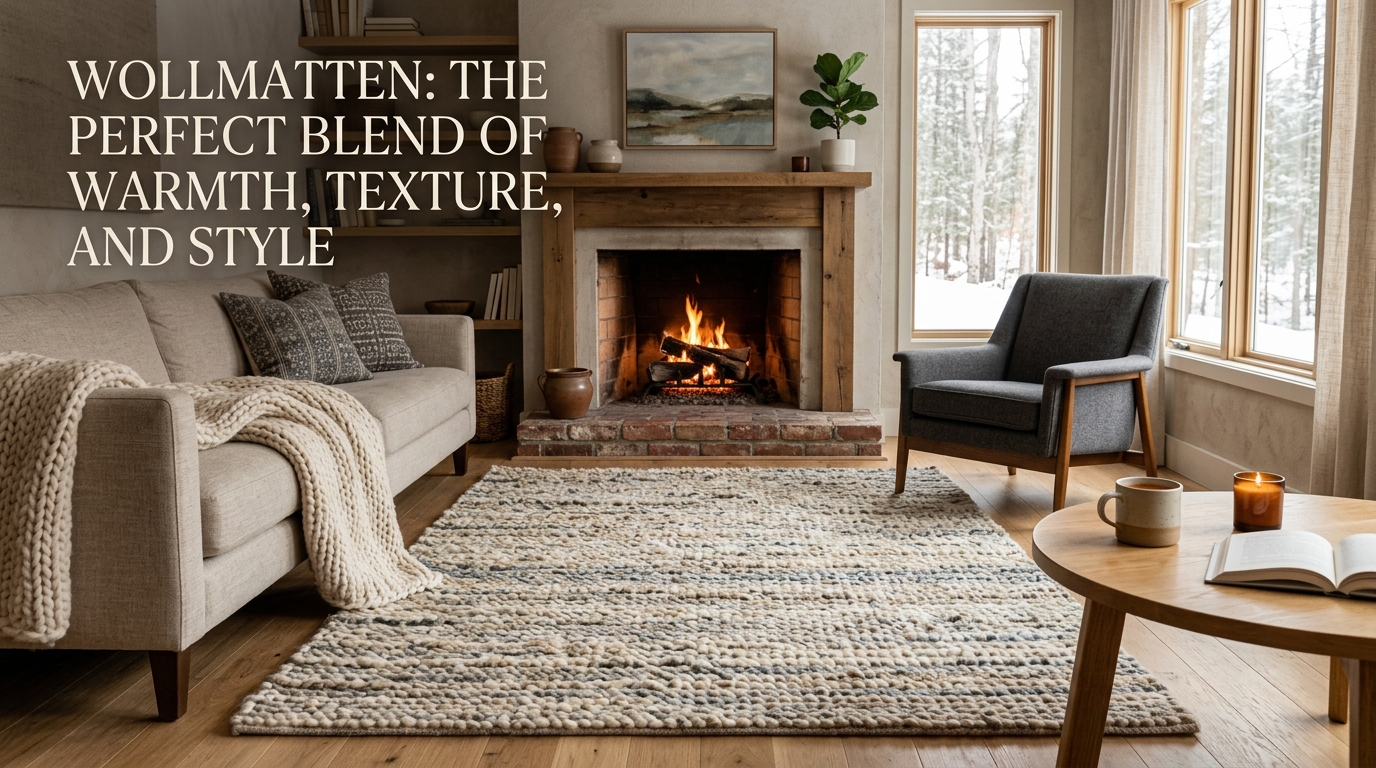
Wollmatten, the German term for wool mats, brings together three qualities that few materials manage simultaneously: genuine warmth, tactile texture, and lasting style. This word combines “Wolle,” meaning wool, with “Matten,” meaning mats, describing a broad category rather than one single product. Consequently, understanding Wollmatten means understanding an entire family of wool-based items, each serving different purposes across homes, offices, and wellness spaces. This article explores what these mats actually are, how they work, and why they continue attracting attention among people who care about natural, functional design.
What Wollmatten Actually Means
Despite the term’s growing popularity, Wollmatten does not refer to a single, standardized product. Instead, it describes any mat made fully or partly from sheep’s wool, regardless of its intended function. A Wollmatte might serve as a floor covering, a yoga surface, a meditation mat, or even a layer inside a mattress. Therefore, shoppers encountering this word should always check the specific product description rather than assuming uniform characteristics.
This broad definition exists because wool itself adapts remarkably well to countless manufacturing techniques. Fibers can undergo weaving, pressing, felting, or needle-punching, and each method produces a distinctly different final product. Additionally, manufacturers sometimes attach wool fibers to a backing material, creating hybrid mats that combine natural texture with added structural support. As a result, two items both labeled Wollmatten can look, feel, and perform in completely different ways.
Why Wool Makes Such an Effective Mat Material
Wool possesses several natural properties that make it genuinely well-suited for mat production. First and foremost, wool provides excellent thermal insulation, trapping air within its fibers to help regulate temperature effectively. This quality alone explains why so many Wollmatten find use in flooring and insulation applications throughout colder climates.
Furthermore, wool naturally manages moisture better than many synthetic alternatives, absorbing dampness without feeling wet to the touch. This moisture-wicking property makes wool mats particularly practical in bathrooms, entryways, or spaces prone to humidity fluctuations. Meanwhile, wool also offers impressive sound absorption capabilities, since its dense fiber structure naturally dampens noise. Consequently, many acoustic panels and sound-control products incorporate wool specifically because of this characteristic. Beyond these functional benefits, wool remains a renewable, biodegradable natural fiber, appealing strongly to environmentally conscious consumers.
The Historical Roots of Wool Mats
Wollmatten did not emerge as some recent design trend; rather, wool-based textiles trace back centuries across numerous cultures. Ancient civilizations first discovered wool’s practical warmth, using sheep’s fibers to create early floor coverings and protective layers. Over time, these practical origins gradually evolved into more decorative applications as weaving techniques advanced.
As trade routes expanded across Europe and Asia, regional styles began influencing one another significantly. Persian rugs introduced intricate, elaborate patterns, while Scandinavian traditions favored simpler, more minimalist aesthetics. Consequently, wool mats gradually transformed from purely functional items into genuine artistic expressions. During the Renaissance era, elaborate wool rugs even became status symbols, signaling wealth and sophisticated taste among affluent households. Today’s Wollmatten still carry echoes of this rich heritage, even as modern manufacturing techniques continue reshaping their production.
Common Types of Wollmatten Available Today
Modern consumers can choose among several distinct Wollmatten varieties, each offering unique characteristics and visual appeal. Shaggy wool rugs remain among the most popular options, prized for their deep, cozy texture and exceptional warmth underfoot. These rugs work particularly well in living rooms or bedrooms, where comfort matters as much as appearance.
Flatweave Wollmatte, by contrast, offers a sleeker, more minimalist profile suited to contemporary interior styles. This variety typically features a thinner, tighter weave that creates a cleaner overall silhouette. Meanwhile, hand-knitted Wollmatten appeal strongly to buyers prioritizing sustainability and traditional craftsmanship over mass production. Tufted versions offer yet another alternative, often featuring bold colors and pronounced textures that suit modern, statement-making spaces. Each type brings its own distinct character, allowing buyers to select based on both functional needs and aesthetic preferences.
Practical Applications Beyond Home Decor
While decorative rugs represent one common application, Wollmatten extend far beyond simple floor coverings. Insulation panels made from compressed wool fibers help regulate indoor temperature throughout buildings, keeping spaces cooler in summer and warmer during winter months. This natural insulating capability increasingly appeals to homeowners seeking eco-friendly alternatives to synthetic insulation materials.
Additionally, wool mats frequently appear in wellness spaces, particularly yoga studios and meditation rooms. The natural softness and warmth create a genuinely inviting surface for practices requiring extended floor contact. Furthermore, acoustic panels incorporating wool fibers help control noise within offices, recording studios, or any environment where sound management matters. Some manufacturers even produce wool-based furniture padding, taking advantage of the material’s natural cushioning properties. This versatility explains why Wollmatten continues expanding into new product categories beyond traditional flooring.
How to Choose the Right Wollmatte for Your Needs
Selecting an appropriate Wollmatte requires considering several practical factors beyond simple visual appeal. First, think carefully about the mat’s intended location and function, since a yoga mat requires vastly different properties than a decorative area rug. Thickness, density, and backing material all influence how well a particular mat suits its intended purpose.
Additionally, buyers should always verify the actual fiber content before purchasing, since the Wollmatten label does not guarantee 100 percent wool composition. Many products blend wool with synthetic fibers to reduce costs or alter specific performance characteristics. Therefore, reading the complete product description carefully helps avoid disappointment after purchase. Furthermore, consider the mat’s maintenance requirements, since wool generally requires gentler cleaning methods than many synthetic alternatives. Taking these factors into account ensures you select a mat that genuinely fits your specific needs rather than simply looking appealing in photographs.
Caring for Wool Mats to Maximize Longevity
Proper care significantly extends the lifespan of any Wollmatte, protecting your investment over many years of use. Regular vacuuming removes surface dirt and debris before it works deeper into the fibers, causing more stubborn buildup. However, wool responds poorly to harsh chemical cleaners, so gentler, wool-specific products typically work far better for spot treatment.
Moreover, wool mats generally benefit from occasional professional cleaning, particularly for larger area rugs experiencing heavy foot traffic. Between professional cleanings, rotating the mat periodically helps distribute wear more evenly across the entire surface. Additionally, keeping wool mats away from prolonged direct sunlight helps prevent color fading over time. Following these straightforward care practices allows high-quality Wollmatten to remain functional and attractive for many years, often outlasting comparable synthetic alternatives significantly.
Why Sustainability Continues Driving Wollmatten Popularity
Modern consumers increasingly prioritize environmentally responsible purchasing decisions, and this shift partly explains growing interest in Wollmatten. Wool represents a genuinely renewable resource, since sheep continue producing new fleece throughout their natural lives. Additionally, wool biodegrades naturally at the end of its usable life, unlike many synthetic materials that persist in landfills for decades.
However, sustainability claims deserve some nuance, since the overall environmental impact depends on multiple factors beyond the raw material itself. Farming practices, manufacturing processes, transportation distances, and chemical treatments all influence a product’s genuine ecological footprint. Consequently, environmentally conscious buyers should look beyond simple marketing claims, seeking transparency about a specific Wollmatte’s complete production process. Even accounting for these nuances, wool generally compares favorably against synthetic alternatives across most sustainability metrics, reinforcing its continued appeal among eco-conscious consumers.
Incorporating Wollmatten Into Modern Interior Design
Contemporary interior designers increasingly recognize how effectively Wollmatten can transform a space’s overall atmosphere. Starting with one statement piece, perhaps a large, textured area rug, immediately draws attention while establishing a warmer, more inviting mood. From there, layering additional natural materials alongside the wool mat often enhances the overall aesthetic considerably.
Wood furniture pairs particularly well with wool textures, creating a cohesive, earthy palette throughout a room. Meanwhile, smooth metal accents can provide interesting visual contrast against the mat’s soft, organic texture. Additionally, combining different Wollmatten types within a single space, perhaps a shaggy rug alongside flatweave accent pieces, adds visual depth without overwhelming the room. This thoughtful layering approach allows Wollmatten to enhance both traditional and thoroughly modern interior styles alike.
Conclusion
Wollmatten genuinely deliver on their promise of combining warmth, texture, and style within a single natural material. From ancient origins as practical floor coverings to today’s diverse applications spanning insulation, wellness spaces, and sophisticated home decor, wool mats have proven remarkably adaptable across centuries. Whether you prioritize thermal comfort, acoustic control, environmental sustainability, or simple aesthetic appeal, some variety of Wollmatte likely suits your specific needs. As natural, renewable materials continue gaining favor among design-conscious consumers, Wollmatten seems poised to remain a genuinely relevant choice for years to come.