
 By snap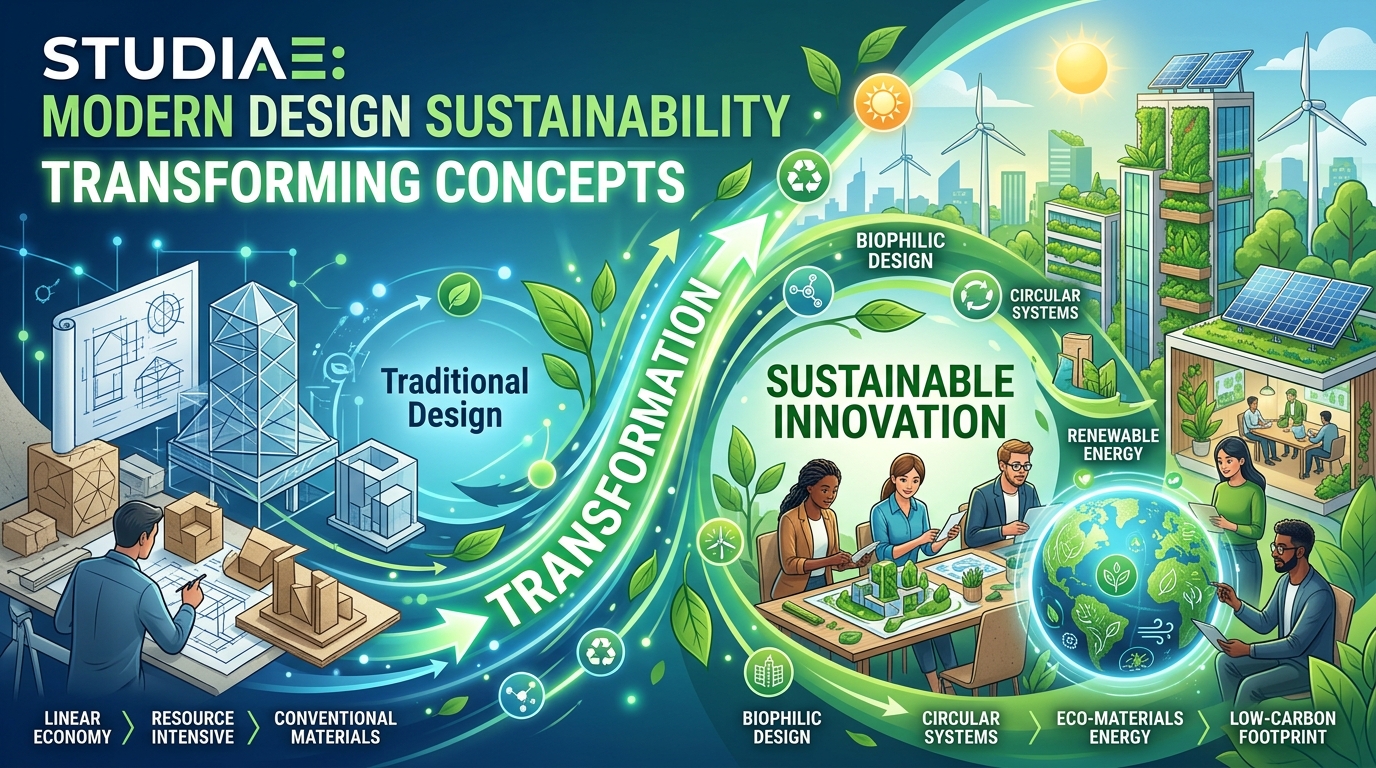
Studiae describes a modern design philosophy where sustainability shapes both form and function together. Rather than treating eco-conscious choices as an afterthought, this approach weaves them directly into aesthetics. Consequently, designers increasingly reject the idea that sustainability requires sacrificing beauty or comfort. Furthermore, this shift reflects broader cultural changes in how people relate to their living spaces. This article explores what defines the Studiae approach and why it resonates with modern homeowners.
From Trend to Foundation
Sustainable design once occupied a small, niche corner of the broader design world. However, that positioning has changed dramatically over recent years across residential and commercial projects. Today, sustainability functions less like a checkbox and more like a creative catalyst. Designers now treat environmental responsibility as a starting point rather than a limitation. Additionally, this shift has pushed material innovation and craftsmanship to genuinely new heights. Consequently, sustainable interiors increasingly look indistinguishable from conventional luxury design, except more thoughtfully made. This maturation from niche movement to mainstream foundation defines much of the Studiae philosophy.
Materials That Age With Intention
Central to this approach lies a deep commitment to materials chosen for longevity. Reclaimed wood, for instance, brings both environmental benefit and genuine visual character into any space. Meanwhile, low-VOC paints and finishes support healthier indoor air without compromising color or texture. Vintage and antique furniture pieces also play a significant role within this design philosophy. Mixing a mid-century credenza with contemporary upholstery creates layered, collected-over-time interiors. Therefore, spaces feel personal and storied rather than assembled from a single shopping trip. This preference for durability over disposability marks a clear departure from fast-furniture culture. Consequently, homeowners increasingly view furniture as long-term investment rather than short-term decoration.
Biophilic Connection to Nature
Another defining element involves deepening the relationship between interior spaces and the natural world. Biophilic design has moved well beyond simply placing a few potted plants around rooms. Instead, it now considers sunlight, airflow, and organic materials as integrated design elements. Additionally, this approach recognizes that physical and emotional wellness connect directly to natural exposure. Green walls, natural textures, and thoughtfully placed windows all support this deeper environmental connection. Consequently, spaces designed this way tend to feel calmer and more restorative than sterile alternatives. This wellness-driven perspective distinguishes contemporary sustainable design from earlier, more surface-level green gestures. Therefore, biophilic elements represent far more than decorative trends within this broader philosophy.
Craftsmanship Over Mass Production
Handmade and artisanal elements increasingly define spaces built around this design philosophy. Local artisans bring skills and cultural knowledge that mass-produced goods simply cannot replicate. Furthermore, supporting smaller-scale production reduces environmental impact while strengthening local economic ecosystems. Woven textiles, hand-thrown ceramics, and custom woodwork all reflect this renewed appreciation for craft. Consequently, homeowners increasingly value the story behind an object as much as its function. This preference connects directly to broader cultural movements away from disposable, anonymous consumer goods. Additionally, artisanal pieces tend to age more gracefully than factory-produced alternatives designed for planned obsolescence. Therefore, craftsmanship functions as both an aesthetic choice and a sustainability strategy simultaneously.
Personal Spaces Over Performative Ones
Contemporary sustainable design increasingly prioritizes how spaces feel over how they photograph. Homeowners are moving away from designing purely for social media visibility and validation. Instead, design choices increasingly reflect genuine daily use, comfort, and personal meaning. Consequently, rooms feel warmer and more emotionally grounded than the flat, overly minimal interiors of previous years. Additionally, this shift toward personal authenticity naturally supports more sustainable consumption patterns overall. When people design for genuine use rather than appearance, they tend to buy less impulsively. Therefore, this cultural move toward personal, lived-in spaces reinforces sustainability goals indirectly but powerfully. Ultimately, authenticity and environmental responsibility increasingly reinforce each other within modern design thinking.
Energy Efficiency as a Design Foundation
Beyond materials and aesthetics, energy efficiency remains a fundamental pillar of sustainable design today. Solar panels, high-performance insulation, and upgraded windows all reduce a home’s environmental footprint significantly. Additionally, smart home technologies increasingly help homeowners monitor and reduce energy consumption in real time. These systems allow residents to adjust lighting, heating, and cooling based on actual usage patterns. Consequently, energy efficiency and design aesthetics no longer exist as separate, competing priorities. Modern architects and designers now integrate these systems seamlessly into overall spatial planning. Therefore, sustainable homes increasingly achieve both environmental performance and genuine visual sophistication simultaneously. This integration represents a significant maturation from earlier, more visibly “green” design solutions.
Circular Thinking in Design Decisions
Circular economy principles increasingly influence how designers approach material selection and sourcing decisions. Rather than following linear consumption patterns, this approach considers a material’s entire lifecycle carefully. Reclaimed architectural salvage, for instance, gives previously discarded materials meaningful new purpose within fresh designs. Additionally, designers increasingly source furniture through estate sales, consignment shops, and curated vintage marketplaces. This circular approach reduces demand for new manufacturing while celebrating pieces with genuine history. Consequently, spaces designed this way carry narrative depth that entirely new furnishings simply cannot provide. Therefore, circular thinking represents both an environmental strategy and a distinct aesthetic sensibility. This dual function makes circularity particularly compelling within contemporary sustainable design philosophy.
Water and Resource Management
Thoughtful resource management extends beyond energy into broader considerations around water usage and conservation. Low-flow fixtures, rainwater collection systems, and drought-resistant landscaping all support this broader goal. Additionally, designers increasingly consider how outdoor spaces can support both beauty and environmental responsibility together. Native plantings, for instance, require less water while supporting local ecosystems and pollinator populations. Consequently, sustainable design increasingly extends beyond interior spaces into thoughtful outdoor planning as well. This holistic perspective reflects a broader understanding that sustainability cannot exist within isolated design decisions. Therefore, comprehensive resource management represents an essential, if less visible, component of this design philosophy.
Multifunctionality and Minimalist Restraint
Modern sustainable design increasingly favors multifunctional spaces over single-purpose rooms filled with excess. Furniture that adapts to multiple uses reduces overall consumption while supporting flexible, evolving lifestyles. Additionally, minimalist restraint doesn’t mean sterile or cold; it means intentional, thoughtful curation instead. Every object within a well-designed space serves genuine purpose, whether functional or deeply personal. Consequently, this approach naturally reduces clutter while supporting more mindful consumption patterns overall. Community-oriented planning also increasingly influences residential design, encouraging shared resources and connected neighborhoods. Therefore, multifunctionality and restraint work together, supporting both practical needs and environmental goals simultaneously.
Why This Philosophy Resonates Now
Several cultural factors help explain why this design philosophy has gained significant traction recently. Growing climate awareness has pushed sustainability from a niche concern into mainstream necessity. Additionally, younger generations increasingly prioritize provenance, health, and longevity when making design decisions. Meanwhile, exhaustion with disposable, fast-furniture culture has created genuine appetite for lasting alternatives. Consequently, homeowners increasingly view thoughtful design choices as extensions of their broader personal values. This alignment between aesthetics and ethics distinguishes contemporary sustainable design from earlier, more superficial green trends. Furthermore, social media has helped popularize these ideas while also driving demand for genuine authenticity. Therefore, this design philosophy reflects deeper cultural shifts rather than a passing seasonal trend.
Looking Toward the Future
This design philosophy shows genuine potential for continued growth and mainstream adoption ahead. As material science advances, designers will likely gain access to increasingly sophisticated eco-friendly options. Additionally, growing consumer demand will probably push more brands toward transparent, sustainable production practices. Meanwhile, technology will likely continue helping homeowners monitor and reduce their environmental impact meaningfully. Consequently, the line between sustainable design and simply excellent design will likely continue blurring further. Therefore, this philosophy seems positioned to shape design thinking well beyond current trend cycles. Ultimately, spaces built around these principles offer something increasingly rare: genuine beauty paired with responsibility. That combination explains why this approach continues gaining relevance across residential and commercial design alike.