
 By snap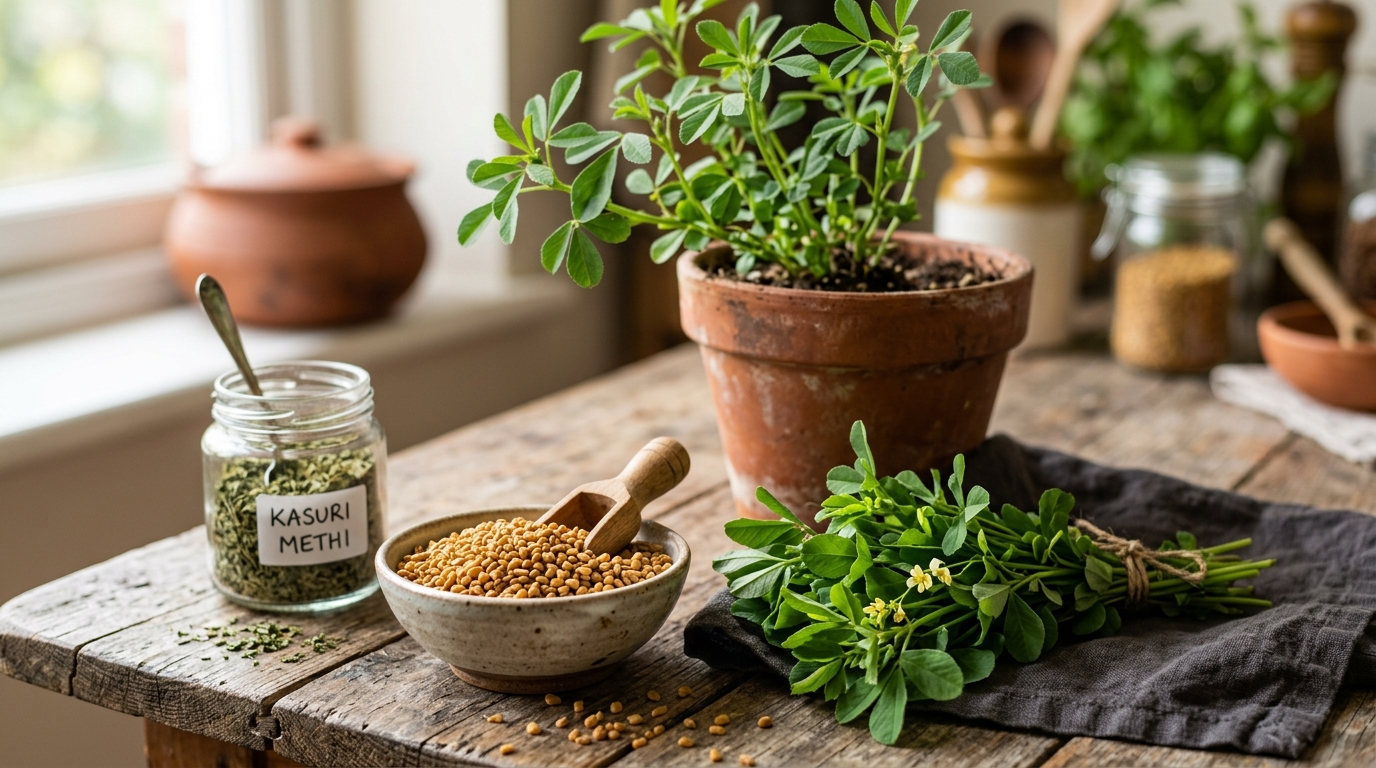
An Ancient Plant Earning Modern Recognition
Nature has gifted humanity with thousands of medicinal and culinary plants across millennia of botanical history and cultural exchange. Foenegriek — known internationally as fenugreek — stands among the most versatile, historically significant, and scientifically interesting of all traditional herbal medicines humanity has cultivated and treasured. Furthermore, this remarkable plant bridges ancient healing traditions and contemporary nutritional science in ways that few other botanical remedies manage quite so convincingly or comprehensively. Consequently, researchers, nutritionists, chefs, and wellness practitioners worldwide are rediscovering foenegriek with fresh appreciation for its extraordinary range of documented and potential benefits.
Understanding What Foenegriek Actually Is
Botanical Identity and Plant Characteristics
Foenegriek belongs to the Fabaceae family, sharing botanical kinship with legumes including clover, chickpeas, and soybeans in one of nature’s most nutritionally productive plant families. Moreover, this annual plant grows to approximately sixty centimeters in height, producing distinctive trifoliate leaves, small white flowers, and characteristic long curved seed pods containing the prized seeds. Therefore, gardeners and farmers across diverse climatic zones from the Mediterranean through South Asia actively cultivate this plant both for its seeds and its edible green leaves throughout the growing season.
Geographic Origins and Historical Cultivation
Archaeological evidence places foenegriek among the oldest cultivated plants in human history, with seeds discovered at sites in Iraq dating back approximately six thousand years. Furthermore, ancient Egyptians incorporated this plant into embalming preparations, medicinal formulations, and culinary traditions that hieroglyphic records and tomb discoveries continue illuminating for modern researchers and historians. Additionally, ancient Greek and Roman physicians including Hippocrates and Galen wrote about this plant’s therapeutic applications in texts that established foundational traditions of botanical medicine persisting across centuries of medical practice.
The Distinctive Seeds at the Center of Its Value
The small, hard, yellowish-brown seeds of this plant carry an unmistakably bitter flavor and characteristic maple-like aroma that makes them instantly recognizable to anyone familiar with South Asian or Middle Eastern cooking traditions. Moreover, these seeds contain an extraordinarily rich nutritional and phytochemical profile that explains both their culinary prevalence and their sustained therapeutic use across enormously diverse healing traditions worldwide. Consequently, modern food scientists and pharmacologists have invested substantial research effort in characterizing exactly which compounds within these seeds produce the health effects that traditional practitioners observed and documented across millennia.
The Remarkable Nutritional Profile of Foenegriek
Macronutrient Composition Worth Noting
Foenegriek seeds deliver an impressive macronutrient profile that sets them apart from most culinary herbs and spices in terms of genuine nutritional contribution. Furthermore, a single tablespoon of these seeds provides meaningful quantities of protein, dietary fiber, and healthy fats alongside a modest caloric contribution that fits comfortably within diverse dietary frameworks. Therefore, this plant functions as more than a mere flavoring agent, contributing genuine nutritional substance that makes it valuable as a functional food ingredient rather than simply an aromatic addition.
Micronutrient Richness That Surprises Most People
These seeds concentrate impressive quantities of iron, magnesium, manganese, phosphorus, and B vitamins in ways that make them genuinely useful micronutrient contributors within balanced dietary patterns. Moreover, the iron content deserves particular attention because plant-based iron sources play a critical role in supporting dietary adequacy for vegetarians, vegans, and populations in regions where animal protein consumption remains limited or culturally restricted. Consequently, traditional dietary systems that incorporated this plant generously into daily cooking may have been providing important micronutrient insurance to populations without consciously pursuing nutritional science objectives.
Dietary Fiber Content and Its Functional Significance
The particularly high dietary fiber content of these seeds — including a soluble fiber called galactomannan — creates several functional effects that researchers have investigated extensively in metabolic and digestive health research contexts. Furthermore, soluble fibers like galactomannan form viscous gels in the digestive tract that slow nutrient absorption, moderate glucose response, support cholesterol management, and feed beneficial gut bacterial populations simultaneously. Therefore, the fiber fraction of these seeds likely accounts for a significant portion of the metabolic and digestive health benefits that traditional healers observed and modern researchers continue documenting through controlled clinical investigation.
Phytochemical Compounds With Biological Activity
Beyond conventional nutrients, foenegriek seeds contain numerous biologically active phytochemicals including saponins, alkaloids, flavonoids, and the unique compound 4-hydroxyisoleucine that researchers have studied for specific metabolic effects. Moreover, these compounds interact with human physiological systems through diverse molecular mechanisms that explain the breadth of health applications that traditional medicine attributed to this single plant across multiple healing traditions. Additionally, ongoing phytochemical research continues identifying new bioactive compounds and elucidating their mechanisms, suggesting that scientific understanding of this plant’s therapeutic potential remains genuinely incomplete and actively evolving.
Documented Health Benefits Supported by Research
Blood Sugar Management and Metabolic Support
The most extensively researched therapeutic application of foenegriek involves its capacity to support healthy blood glucose levels in people managing diabetes or metabolic syndrome. Furthermore, multiple clinical trials have demonstrated that consuming these seeds or their extracts produces measurable improvements in fasting blood glucose, post-meal glucose response, and insulin sensitivity across diverse patient populations. Therefore, endocrinologists and integrative medicine practitioners increasingly acknowledge this plant as a potentially useful adjunct to conventional diabetes management strategies, though they appropriately emphasize that it cannot replace prescribed medications or fundamental lifestyle modifications.
The Galactomannan Mechanism in Detail
The soluble fiber galactomannan explains much of the blood sugar benefit by forming a viscous gel that physically slows glucose absorption across the intestinal wall during and after meals. Moreover, this mechanical slowing of carbohydrate absorption reduces the speed and magnitude of post-meal glucose spikes that create metabolic stress in people with impaired glucose regulation. Consequently, consuming foenegriek before or during carbohydrate-rich meals creates a functional buffering effect that moderates glucose dynamics in ways that researchers have measured through carefully controlled clinical study designs.
Cholesterol and Cardiovascular Health Support
Research examining the cardiovascular effects of foenegriek consumption has produced encouraging findings across several lipid metabolism parameters relevant to heart disease risk assessment. Furthermore, studies have observed reductions in total cholesterol, LDL cholesterol, and triglyceride levels in participants consuming standardized foenegriek preparations across treatment periods ranging from several weeks to several months. Additionally, the fiber-mediated reduction in cholesterol absorption and the saponin-induced interference with cholesterol synthesis pathways both contribute to the lipid-modulating effects that cardiovascular researchers find mechanistically plausible and clinically interesting.
Supporting Milk Production in Breastfeeding Mothers
Traditional medicine systems across South Asia, the Middle East, and North Africa have recommended foenegriek to nursing mothers for centuries as a galactagogue — a substance that promotes breast milk production. Moreover, modern lactation research has produced supportive evidence indicating that consuming this herb can meaningfully increase milk volume in some breastfeeding women experiencing supply challenges. Therefore, lactation consultants in integrative healthcare settings frequently discuss this traditional remedy with mothers navigating breastfeeding difficulties, always alongside evidence-based lactation support strategies and appropriate medical supervision.
Anti-Inflammatory Properties and Their Implications
Chronic inflammation underlies numerous serious modern diseases including cardiovascular disease, type 2 diabetes, arthritis, and certain cancers in ways that make anti-inflammatory interventions broadly clinically relevant. Furthermore, laboratory research has identified several foenegriek compounds that reduce inflammatory marker production and modulate immune system activity through mechanisms that researchers continue characterizing with increasing precision. Consequently, the anti-inflammatory properties of this plant may partially explain the diverse therapeutic applications that traditional healers observed across conditions that modern biomedicine now understands share chronic inflammation as a common underlying mechanism.
Testosterone and Male Hormonal Health
Some clinical research has examined the potential of foenegriek extracts to support testosterone levels and related measures of male hormonal health including libido, energy, and body composition. Moreover, several randomized controlled trials have reported statistically significant improvements in testosterone measurements and self-reported vitality among men consuming standardized foenegriek extracts compared to placebo groups. Therefore, sports nutrition companies and men’s health supplement manufacturers have incorporated this plant into product formulations targeting male hormonal wellness, though consumers should evaluate the specific evidence behind individual product claims carefully and critically.
Digestive Health and Gut Support
Traditional herbalists consistently recommended foenegriek for digestive complaints including indigestion, constipation, gastritis, and general gastrointestinal discomfort across virtually every culture that incorporated this plant into its healing traditions. Furthermore, the combination of soluble fiber, mucilaginous compounds, and anti-inflammatory phytochemicals creates multiple simultaneous mechanisms through which this plant might support digestive health and comfort in ways that align well with modern understanding of gastrointestinal physiology. Additionally, emerging gut microbiome research suggests that the prebiotic fiber in these seeds selectively nourishes beneficial bacterial populations that play important roles in digestive and systemic health maintenance.
Culinary Uses Across Global Food Traditions
South Asian Cuisine — The Heartland of Foenegriek Cooking
Indian, Pakistani, Bangladeshi, and Sri Lankan cuisines incorporate this plant in more diverse ways than virtually any other culinary tradition worldwide, using seeds, leaves, and sprouts in distinct applications. Moreover, the dried leaves known as kasuri methi function as an essential finishing herb in dishes ranging from butter chicken to dal tadka, delivering a distinctive bittersweet complexity that experienced cooks consider irreplaceable in authentic preparations. Therefore, understanding South Asian cuisine thoroughly requires familiarity with this herb’s multiple forms and the specific culinary roles each form plays in building the flavor profiles that define these beloved food traditions.
Seed Preparation Techniques That Transform Flavor
Raw foenegriek seeds carry an intensely bitter flavor that most palates find unpleasant without some form of preparation that modifies and mellows this characteristic harshness. Furthermore, dry roasting seeds in a heavy pan until they darken slightly converts bitter compounds into more complex, nutty, maple-tinged flavor notes that integrate far more pleasantly into finished dishes. Additionally, soaking seeds overnight reduces bitterness through leaching of bitter compounds into the soaking water, producing germinated seeds or softened seeds with more approachable flavor suitable for direct consumption.
Middle Eastern and North African Culinary Traditions
Egyptian, Yemeni, Ethiopian, and Moroccan cuisines each incorporate this plant in culturally specific ways that reflect distinct regional culinary philosophies and flavor preference traditions. Moreover, Yemeni cuisine features foenegriek paste as a fundamental component of hilbeh, a traditional condiment consumed with flatbreads that represents one of the most direct and concentrated culinary uses of this plant anywhere in the world. Furthermore, Ethiopian berbere spice blend and various North African spice mixtures incorporate the seeds as integral flavoring components that contribute characteristic depth and complexity to slow-cooked meat and legume dishes.
European Historical Uses and Contemporary Revival
Medieval European herbal medicine and cooking traditions used this plant extensively before its culinary role diminished as global trade routes shifted cultural flavor preferences across the continent over centuries. Moreover, contemporary European food culture is experiencing renewed interest in this ingredient through the growing influence of South Asian and Middle Eastern immigrant food cultures alongside broader enthusiasm for functional foods and herbal wellness ingredients. Therefore, innovative European chefs and food producers are incorporating this distinctive ingredient into contemporary recipes, artisan cheeses, specialty breads, and craft food products that bridge traditional heritage and modern culinary curiosity.
Sprouting and Fresh Leaf Applications
Germinated foenegriek seeds produce nutritious sprouts with milder flavor than mature seeds, making them accessible additions to salads, sandwiches, and raw food preparations for consumers who find the seed’s bitterness challenging. Furthermore, fresh green leaves — widely available in South Asian grocery stores and increasingly in mainstream natural food retailers — offer a spinach-like base ingredient with distinctive herbal character suitable for sautéed vegetable dishes, stuffed flatbreads, and fresh chutneys. Consequently, exploring the full range of plant forms beyond dried seeds opens a much broader and more accessible culinary relationship with this ingredient for adventurous home cooks and professional chefs alike.
Traditional Medicine Uses Across Cultures
Ayurvedic Applications Dating Back Millennia
Ayurvedic medicine classifies foenegriek as a warming herb that balances specific constitutional imbalances, treating conditions ranging from digestive weakness and respiratory congestion to reproductive health concerns and metabolic disorders. Moreover, classical Ayurvedic texts prescribe this plant in specific formulations, dosing schedules, and combination preparations that reflect sophisticated traditional pharmacological thinking developed across centuries of clinical observation and theoretical refinement. Therefore, contemporary integrative medicine practitioners studying Ayurvedic approaches find in this plant a particularly well-documented example of traditional botanical medicine that modern research is gradually validating, qualifying, and contextualizing.
Traditional Chinese Medicine Perspectives
Traditional Chinese medicine incorporates this plant — known as hu lu ba — primarily for warming the kidneys, dispersing cold, and addressing conditions that TCM practitioners classify as kidney yang deficiency including cold extremities, lower back pain, and certain reproductive concerns. Furthermore, TCM formulations often combine this herb with other botanicals in specific ratios that traditional practitioners believe produce synergistic effects beyond what any single ingredient could achieve independently. Additionally, the philosophical framework of TCM provides a completely different interpretive lens for understanding this plant’s therapeutic value than either Western biomedicine or Ayurvedic medicine, reflecting the genuine diversity of sophisticated healing traditions that humanity has developed.
Mediterranean and Middle Eastern Healing Traditions
Ancient Egyptian medical papyri, Islamic golden age medical texts, and traditional Mediterranean herbal medicine each document extensive therapeutic uses for this plant across conditions that span digestive health, fever management, wound care, and reproductive support. Moreover, Ibn Sina — the medieval Islamic physician whose Canon of Medicine influenced both Eastern and Western medical traditions for centuries — wrote detailed accounts of this plant’s therapeutic properties and appropriate clinical applications. Consequently, the historical medical literature surrounding this plant represents an extraordinarily rich documentation of pre-modern clinical observation that modern researchers increasingly treat as valuable hypothesis-generating material rather than mere historical curiosity.
How to Incorporate Foenegriek Into Your Daily Life
Starting Simply With Seeds in Cooking
Beginning a relationship with this ingredient through cooking represents the most accessible, enjoyable, and lowest-risk approach for curious newcomers seeking to explore its benefits. Furthermore, adding a teaspoon of lightly toasted seeds to homemade bread, vegetable soups, lentil dishes, or roasted vegetable preparations introduces the flavor gradually within familiar culinary contexts that make the experience approachable. Therefore, building culinary familiarity before exploring supplemental or therapeutic applications allows individuals to develop genuine appreciation for this ingredient rather than experiencing it as an unpleasant obligation driven purely by health motivations.
Supplemental Forms Available in the Market
Health food stores and online retailers offer this plant in numerous supplemental forms including standardized seed powder capsules, concentrated extracts, and tinctures targeting specific therapeutic applications. Moreover, choosing among these options requires understanding that different forms deliver different compound profiles, bioavailabilities, and dosing considerations that significantly affect both safety and efficacy in specific therapeutic contexts. Additionally, selecting products from reputable manufacturers who conduct third-party quality testing provides meaningful assurance about ingredient identity, potency consistency, and absence of contaminants that lower-quality supplement products cannot guarantee.
Incorporating Fresh and Dried Leaves
Dried fenugreek leaves — kasuri methi — store well in sealed containers and provide remarkable flavor enhancement across a wide range of cooked dishes with minimal effort or culinary expertise required. Furthermore, crushing dried leaves between your palms before adding them to dishes releases volatile aromatic compounds that intensify their flavor contribution in ways that using whole uncrushed leaves does not achieve. Consequently, keeping a jar of quality dried leaves in the spice collection provides constant access to this functional culinary herb without requiring fresh produce management or frequent specialty grocery shopping trips.
Making Foenegriek Tea
Simmering one to two teaspoons of seeds in two cups of water for ten to fifteen minutes creates a warming, slightly bitter herbal tea that traditional medicine practitioners have prescribed across multiple healing traditions for centuries. Moreover, adding honey, lemon, or complementary herbs including ginger and cinnamon moderates the bitterness and creates more enjoyable flavor combinations suitable for daily therapeutic consumption. Therefore, establishing a regular morning or evening tea ritual using this plant represents a low-cost, culturally grounded approach to accessing its potential health benefits within a sustainable daily wellness practice.
Important Cautions and Considerations
Pregnancy-Related Contraindications
Pregnant women should approach therapeutic doses of foenegriek with significant caution because this plant has demonstrated uterine-stimulating properties that traditional medicine explicitly recognized as potentially problematic during pregnancy. Furthermore, while culinary quantities in food preparations generally do not raise the same concerns as concentrated supplemental doses, pregnant women should discuss any supplemental use of this herb with their obstetric healthcare provider before proceeding. Additionally, the traditional use of this plant to stimulate labor — documented in multiple healing traditions — provides additional context for understanding why pregnancy represents an important contraindication for therapeutic-level consumption.
Potential Drug Interactions Worth Understanding
The blood sugar-lowering effects of foenegriek create meaningful potential for additive interactions with diabetes medications that may require monitoring and dosing adjustments in people taking these pharmaceuticals concurrently. Moreover, anticoagulant medications may interact with certain compounds in this plant in ways that affect bleeding time and clotting dynamics, making concurrent use a topic requiring explicit discussion with prescribing physicians. Therefore, individuals managing chronic conditions with pharmaceutical medications should always inform their healthcare providers about any herbal supplements they use, including this apparently benign culinary plant.
Digestive Side Effects During Initial Use
Beginning foenegriek consumption at higher doses frequently produces digestive side effects including gas, bloating, diarrhea, and gastrointestinal discomfort that discourage continuation before meaningful benefits develop. Furthermore, starting with small quantities and gradually increasing intake over several weeks gives the digestive system time to adapt to the high fiber content without triggering the uncomfortable side effects that abrupt high-dose introduction commonly produces. Consequently, patience and gradual dose escalation represent the most practical strategies for establishing comfortable and sustainable long-term consumption of this fibrous and bioactive plant.
Maple Syrup Body Odor Effect
One of the most surprising and commonly reported effects of regular foenegriek consumption involves a harmless but noticeable maple syrup-like odor in sweat, urine, and breast milk that results from sotolone compound excretion. Moreover, this effect can occasionally cause concern in parents of formula-fed or breastfed infants and has historically led to incorrect maple syrup urine disease diagnoses in infants whose mothers consumed this herb during breastfeeding. Therefore, awareness of this completely harmless but potentially alarming aromatic side effect helps consumers and healthcare providers avoid unnecessary anxiety or diagnostic confusion when this predictable phenomenon occurs.
Growing Foenegriek at Home
Ideal Growing Conditions for Success
This plant thrives in well-drained soil with full sun exposure and moderate watering, making it genuinely suitable for home garden cultivation across temperate and warm climate zones worldwide. Furthermore, direct sowing seeds in early spring after frost risk passes produces robust plants that reach harvest maturity within three to four weeks for leaf harvest or approximately four months for seed production. Therefore, gardeners seeking both culinary fresh leaves and a seed harvest can plan successive plantings that provide continuous leaf supply throughout the growing season while allowing later plantings to mature fully for seed collection.
Harvesting Leaves and Seeds
Pinching young leaf shoots from plants beginning at approximately ten centimeters height encourages bushier growth while providing continuous harvests of tender leaves that deliver the most delicate flavor for culinary applications. Moreover, allowing later-season plants to flower and develop seed pods enables home seed harvest once pods turn yellow-brown and seeds rattle audibly inside their dried shells when shaken gently. Consequently, home growers who manage both leaf and seed harvests throughout the season enjoy the satisfying self-sufficiency of producing their own supply of this versatile and genuinely valuable culinary and wellness herb.
Preserving Your Harvest
Drying fresh leaves at low temperature in a dehydrator or conventional oven preserves their aromatic compounds adequately for extended storage in sealed glass containers away from direct light and heat sources. Furthermore, cleaning, fully drying, and storing harvested seeds in airtight glass containers in cool dark locations preserves their viability for cooking and potential replanting across multiple growing seasons without significant quality deterioration. Additionally, freeze-drying fresh leaves — though requiring specialized equipment — produces the highest quality dried leaf product that most closely approximates the aromatic freshness of the just-harvested herb throughout the storage period.
Conclusion
Foenegriek represents a genuinely extraordinary convergence of culinary delight, traditional healing wisdom, and increasingly validated scientific interest that places it among the most worthwhile botanical substances any wellness-minded person can incorporate into their daily life. Furthermore, its documented contributions to blood sugar management, digestive health, cardiovascular support, and lactation alongside its remarkable culinary versatility across global food traditions make it uniquely positioned among functional food ingredients available to contemporary consumers. Therefore, approaching this ancient herb with curiosity, appropriate caution, and genuine respect for both its traditional heritage and its emerging scientific validation creates the foundation for a productive and potentially health-enhancing long-term relationship with one of nature’s most impressive and historically significant plants. Ultimately, foenegriek reminds us that some of humanity’s most valuable wellness resources have been growing quietly in gardens, spice markets, and traditional kitchens for thousands of years — patiently awaiting the modern rediscovery they so richly deserve.