
 By snap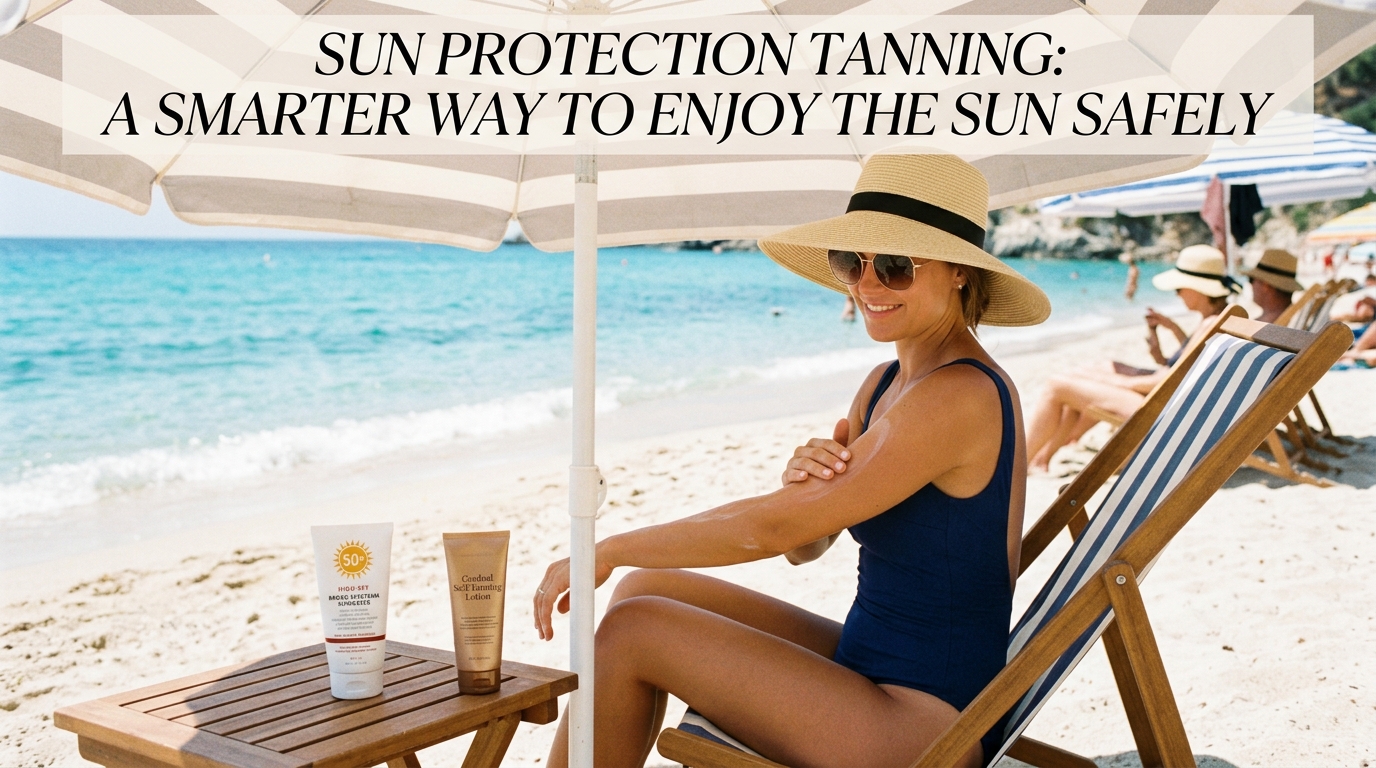
Sun protection tanning offers a practical middle ground between avoiding the sun entirely and risking serious skin damage. Many people assume they must choose between a golden tan and healthy skin, yet that assumption oversimplifies the reality. Modern skincare knowledge allows sun lovers to enjoy warm weather responsibly, without ignoring the risks tied to UV exposure. This article walks through the science behind safer tanning, practical daily habits, and product choices that protect your skin over the long run.
Understanding What UV Exposure Actually Does to Skin
Ultraviolet radiation reaches your skin in two primary forms: UVA and UVB rays. UVA rays penetrate deeply, contributing to premature aging, wrinkles, and loss of skin elasticity over time. UVB rays, meanwhile, primarily affect the skin’s outer layers, causing the redness associated with sunburn. Both types contribute to long-term skin damage, including an increased risk of skin cancer with repeated exposure. Consequently, understanding this distinction helps explain why broad-spectrum protection matters so much.
Beyond visible burns, UV damage accumulates silently beneath the surface for years. Cellular changes triggered by sun exposure often remain invisible until damage becomes significant, sometimes decades later. Therefore, waiting until you notice visible signs before taking protection seriously puts your skin at unnecessary risk. Dermatologists consistently emphasize that prevention matters far more than treatment once damage has already occurred. Given this reality, building sun-safe habits early pays dividends throughout your entire life.
Building a Foundation: Sunscreen Fundamentals
Effective sun protection starts with choosing a broad-spectrum sunscreen that blocks both UVA and UVB rays simultaneously. A sun protection factor of thirty or higher generally provides adequate defense for most outdoor activities. However, no sunscreen blocks one hundred percent of UV rays, regardless of how high the SPF number climbs. Therefore, reapplication remains essential, particularly after swimming, heavy sweating, or extended time outdoors.
Application technique matters just as much as product selection when it comes to real protection. Most people apply far too little sunscreen, significantly reducing the effective protection compared to what the label promises. Experts generally recommend using roughly one ounce, enough to fill a shot glass, for full body coverage. Additionally, applying sunscreen fifteen to twenty minutes before sun exposure allows proper absorption into the skin. Missing this window can leave your skin vulnerable during those crucial first minutes outdoors.
Mineral sunscreens containing zinc oxide or titanium dioxide sit on top of the skin, physically reflecting UV rays away. Chemical sunscreens, by contrast, absorb UV radiation and convert it into heat that dissipates from the skin. Neither option is universally superior, since individual skin sensitivity often determines which formula works best. People with sensitive or reactive skin frequently find mineral formulas gentler and less likely to cause irritation.
The Role of Clothing, Shade, and Timing
Sunscreen alone cannot carry the full weight of effective sun protection during outdoor activities. Protective clothing, particularly tightly woven fabrics, adds a physical barrier that sunscreen simply cannot replicate. Wide-brimmed hats shield the face, ears, and neck, areas that people frequently forget when applying sunscreen. Sunglasses with UV protection also matter significantly, since eyes remain vulnerable to long-term sun damage as well.
Timing your outdoor activities strategically can dramatically reduce overall UV exposure throughout the day. UV intensity peaks between roughly ten in the morning and four in the afternoon, depending on location and season. Scheduling extended outdoor time outside these peak hours reduces cumulative exposure without sacrificing time spent outside. Meanwhile, seeking shade periodically, even during less intense hours, provides additional protection during longer outdoor sessions.
Cloud cover often creates a false sense of security among people spending time outdoors during overcast days. UV rays penetrate clouds more effectively than many people realize, meaning sunburn remains possible even without direct sunlight. Therefore, maintaining sun protection habits regardless of visible weather conditions remains genuinely important for consistent skin health.
Achieving Color Without Compromising Skin Health
Many people pursuing sun protection tanning still want visible color as part of their skincare and beauty routine. Self-tanning products offer a genuinely safer path toward that goal, without exposing skin to harmful UV radiation. These products work by reacting with proteins in the skin’s outer layer, producing a temporary bronze tone. Because this process avoids UV exposure entirely, it eliminates the cellular damage associated with traditional sun tanning methods.
Choosing a quality self-tanner involves considering both the application process and ingredient formulation carefully. Products containing hydrating ingredients help prevent the streaky, uneven appearance that plagues many drugstore options. Exfoliating skin thoroughly before application creates a smoother, more even canvas for color development. Additionally, moisturizing dry areas like elbows, knees, and ankles prevents these spots from absorbing excess product and appearing darker.
Gradual tanning lotions offer another practical alternative for people wanting a more subtle, buildable approach to color. These products contain lower concentrations of active tanning ingredients, allowing color to develop slowly over several applications. This method suits people who prefer natural-looking results without the risk of an overly dark or uneven outcome. Regardless of which method you choose, remember that self-tanners provide zero UV protection on their own.
Common Mistakes That Undermine Sun Protection Efforts
Even well-intentioned sun protection routines often fall short due to a handful of common, avoidable mistakes. Skipping reapplication ranks among the most frequent errors, since many people assume morning application lasts all day. In reality, sunscreen effectiveness diminishes significantly after roughly two hours, especially during swimming or heavy physical activity. Consequently, setting reminders to reapply throughout extended outdoor time genuinely makes a measurable difference.
Overlooking commonly missed areas represents another frequent oversight among otherwise careful sunscreen users. Ears, the back of the neck, tops of feet, and hairlines frequently escape attention during application. These areas, though smaller, remain just as vulnerable to UV damage as more obvious spots like arms and shoulders. Therefore, developing a consistent, methodical application routine helps ensure comprehensive coverage every time.
Relying exclusively on makeup products containing SPF also creates a false sense of adequate protection for many users. Most cosmetic products with built-in SPF fail to provide the coverage level suggested by their labeling, primarily due to insufficient application amounts. Layering a dedicated sunscreen underneath makeup provides far more reliable protection throughout the day.
Supporting Skin Health Beyond Sun Protection Alone
Hydration plays a meaningful supporting role in maintaining skin resilience against environmental stressors, including sun exposure. Well-hydrated skin generally shows fewer visible signs of damage and recovers more effectively from minor irritation. Drinking adequate water throughout the day, alongside using a quality moisturizer, supports this internal and external balance. Additionally, incorporating antioxidant-rich foods into your diet may offer modest additional protection against UV-related cellular stress.
Post-sun skincare routines also matter considerably, even when sunscreen application has been diligent throughout the day. Applying a soothing, hydrating product after sun exposure helps replenish moisture lost during time outdoors. Aloe vera and similar ingredients can calm mild redness while supporting the skin’s natural recovery process. Consistency across these supporting habits reinforces the protective work that sunscreen and clothing accomplish during actual sun exposure.
Regular skin checks also deserve a place within any comprehensive sun protection approach, regardless of how careful your habits already are. Monitoring moles, spots, or unusual changes allows early detection of potential concerns before they become serious. Consulting a dermatologist periodically, particularly for people with fair skin or extensive sun exposure history, adds an important layer of long-term protection.
Making Sun Protection Tanning a Sustainable Habit
Building lasting habits around sun safety works best when the process feels manageable rather than overwhelming or restrictive. Keeping sunscreen visible and accessible, whether by the door or in a bag, removes friction from daily application. Similarly, choosing lightweight, comfortable sun-protective clothing makes consistent use far more likely during warmer months. Small adjustments like these compound significantly over months and years of consistent practice.
Involving family members or friends in sun-safe habits can also reinforce consistency across shared outdoor activities. Children, in particular, benefit enormously from early exposure to sun protection routines modeled by adults around them. Meanwhile, adults who prioritize these habits often notice improved skin texture and tone as a natural side benefit. This positive reinforcement helps sustain motivation over the long term, beyond simply avoiding negative outcomes.
Ultimately, sun protection tanning represents a mindset shift rather than a single product or isolated behavior change. It involves combining smart product choices, protective clothing, strategic timing, and consistent daily habits into one cohesive routine. When approached this way, enjoying sunny days and maintaining healthy skin no longer feel like competing priorities.
Conclusion
Sun protection tanning proves that achieving a healthy glow and protecting your skin are not mutually exclusive goals. Through broad-spectrum sunscreen, protective clothing, thoughtful timing, and safer color alternatives, sun lovers can enjoy the outdoors responsibly. Small, consistent habits build meaningful long-term protection against cumulative UV damage that often goes unnoticed for years. By treating sun safety as an ongoing practice rather than an occasional afterthought, you protect both your appearance and your long-term health simultaneously.