
 By snap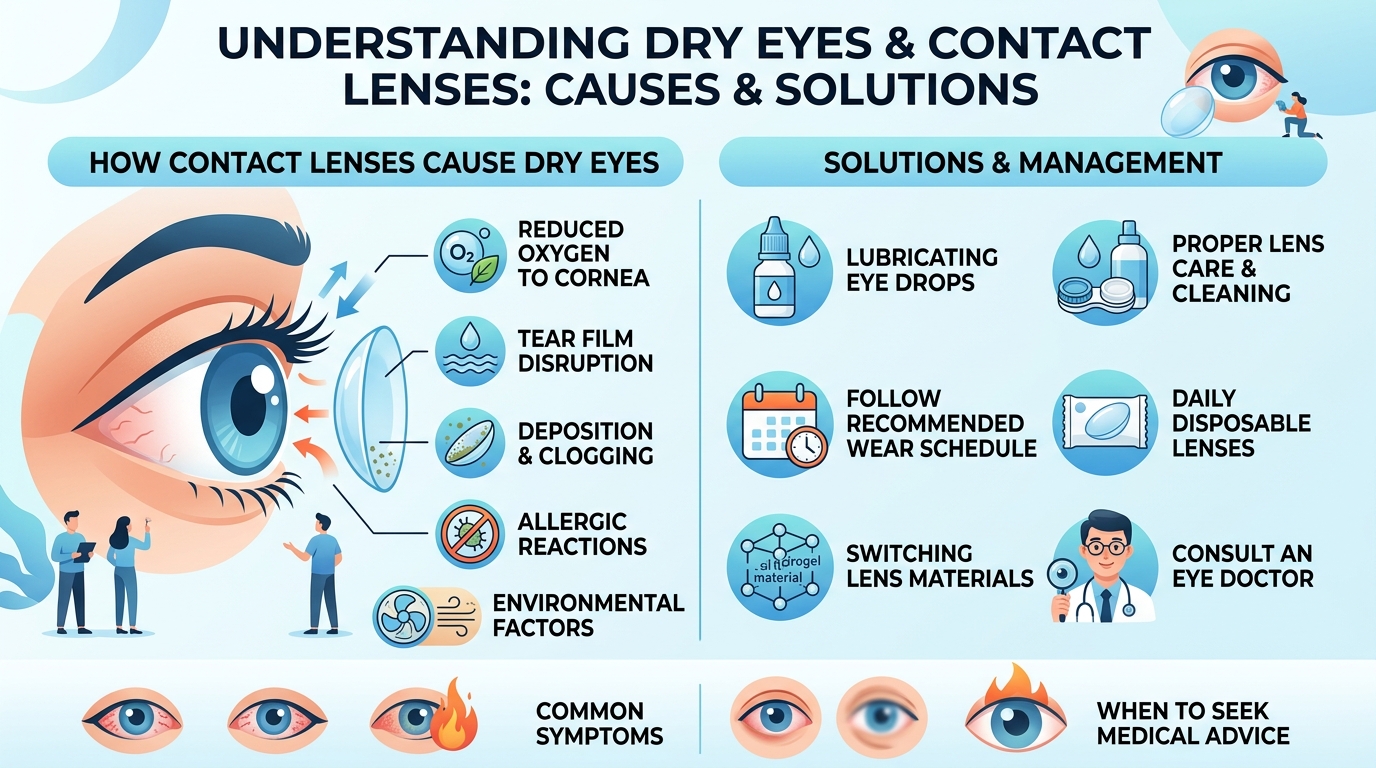
Introduction: Understanding Eye Comfort and Contact Lens Wear
Millions of people rely on corrective eyewear daily to achieve clear vision and maintain active, fulfilling personal lives. However, many wearers struggle with irritation, redness, and persistent discomfort while wearing their daily or monthly lenses. Managing dry eyes and contact lenses requires a thoughtful approach to lens selection, hydration, and proper daily maintenance habits.
First, your eyes require a steady, healthy tear film to remain lubricated and comfortable throughout the day. Consequently, any imbalance in tear production or quality directly affects how comfortably a soft lens sits on your eye. In addition, environmental factors like air conditioning, digital screen use, and windy weather accelerate tear evaporation quickly. Therefore, understanding the relationship between tear quality and lens comfort helps you prevent annoying eye irritation proactive.
Furthermore, ignoring persistent eye discomfort can lead to corneal inflammation, surface abrasions, and long-term contact lens intolerance. When you address early symptoms immediately, you protect your vision and enjoy hassle-free lens wear for years. However, finding relief requires patience, accurate information, and guidance from an experienced, licensed eye care professional. As a result, informed patients achieve optimal visual clarity while keeping their eyes healthy, moist, and comfortable every day. Ultimately, taking proactive steps ensures that wearing lenses remains an enjoyable, painless experience for everyone.
The Biology of Tear Film and Eye Moisture
To understand why discomfort occurs, you must first examine how the human eye produces and maintains natural moisture. The natural tear film consists of three distinct layers that work together harmoniously to protect the eye surface.
First, the innermost mucin layer anchors tears directly to the cornea, ensuring that moisture spreads evenly across the eye. Without adequate mucin, tears cannot stick to the surface, creating dry spots that cause immediate visual irritation. Moreover, healthy mucin production keeps the corneal surface smooth, which allows light to enter the eye clearly. Therefore, a balanced mucin layer forms the critical groundwork for long-term contact lens wear comfort.
Second, the middle aqueous layer provides essential oxygen, nutrients, and moisture to the living tissues of the cornea. Lacrimal glands produce this watery layer continuously to flush away dust, debris, and potential airborne irritants throughout the day. Furthermore, soft contact lenses absorb moisture directly from this layer to maintain their flexible shape and structural integrity. Consequently, insufficient aqueous tear production causes the lens to dry out, leading to friction against the delicate cornea.
Third, the outer lipid layer prevents rapid tear evaporation by sealing the watery aqueous layer beneath a thin oil barrier. Meibomian glands along the edges of your eyelids produce this essential oil whenever you blink your eyes normally. However, clogged or inflamed eyelid glands reduce oil quality, causing tears to evaporate rapidly into the surrounding air. Thus, healthy lipid production remains vital for keeping your eyes moist and comfortable during long work hours.
Why Contact Lenses Exacerbate Dry Eye Symptoms
Wearing a synthetic lens directly on the cornea alters the natural dynamics of your tear film significantly throughout the day. Even high-quality modern lenses divide the tear film into two separate layers, affecting overall tear distribution and stability.
First, the pre-lens tear film sits on top of the contact lens, where it evaporates much faster than normal tears. Because synthetic materials lack the natural protective qualities of living tissue, moisture loss occurs rapidly in dry environments. Furthermore, a dry lens surface increases friction against the inner eyelid every single time you blink your eyes. Consequently, wearers experience a gritty, burning sensation that worsens progressively as the long day wears on.
Second, the post-lens tear film trapped beneath the contact lens can become stagnant without regular, healthy tear exchange. Stagnant tears allow microscopic debris, metabolic waste, and inflammatory proteins to collect directly against the sensitive corneal surface. Moreover, reduced tear flow under the lens starves the corneal epithelium of vital oxygen and necessary natural nutrients. As a result, the cornea becomes inflamed, swollen, and increasingly sensitive to synthetic lens materials over time.
Finally, certain soft lens materials attract moisture from the surrounding eye tissues to maintain their soft, flexible shape. Lenses with high water content often draw natural tears away from the cornea when environmental humidity levels drop low. Consequently, high-water lenses can actually worsen dry eye symptoms in dry offices or air-conditioned vehicle cabins. Therefore, matching lens material characteristics to your specific tear film profile remains essential for lasting wearing comfort.
Common Symptoms and Early Warning Signs
Recognizing early warning signs allows you to adjust your daily eye care routine before severe inflammation develops. Many people mistake mild dry eye discomfort for normal eye fatigue caused by long workdays or computer use.
To begin with, persistent redness along the white sclera indicates that your eyes are suffering from chronic dryness or irritation. Dilated blood vessels expand to deliver extra blood and oxygen to inflamed, moisture-starved corneal tissues during lens wear. Furthermore, red eyes often signal that your contact lenses are causing excessive friction or blocking essential oxygen transmission. Consequently, you should never ignore chronic eye redness, especially if it persists after removing your daily lenses.
Next, a constant feeling of grit or sand trapped beneath the lens signals significant tear film disruption and dryness. This uncomfortable sensation occurs when friction damages delicate epithelial cells on the surface of your sensitive corneal tissue. Moreover, dry eyes often overproduce thin, watery tears in a frantic, reflex effort to soothe the irritated surface. Consequently, paradoxical watery eyes frequently indicate severe underlying dryness that requires immediate, targeted hydration treatments.
Finally, fluctuating or blurry vision during reading or computer work suggests that your pre-lens tear film is breaking down. A smooth, stable tear film is crucial for refracting light accurately as it enters your optical system. However, dry spots on the lens surface create distorted visual images that force you to blink constantly for clarity. Ultimately, recognizing these subtle signs helps you seek professional guidance before permanent corneal damage occurs.
Modern Lens Materials: Choosing the Right Option
Eye care technology has advanced dramatically, offering innovative lens materials designed specifically for patients with sensitive, dry eyes. Understanding material differences helps you discuss suitable options with your eye care specialist during your next exam.
First, silicone hydrogel lenses allow significantly more oxygen to pass through the lens material to the underlying cornea. Oxygen-permeable materials maintain corneal health while reducing the risk of hypoxia-related swelling and chronic vessel growth. Furthermore, silicone hydrogel lenses generally require lower water content, meaning they draw less moisture directly from your tears. Consequently, many patients experience far less end-of-day dryness after switching to modern silicone hydrogel lens options.
Second, daily disposable lenses eliminate the need for chemical cleaning solutions and long-term storage cases entirely. Fresh, sterile lenses worn each morning prevent the buildup of irritating protein deposits and airborne allergens on the surface. Moreover, daily disposables feature ultra-thin profiles and built-in wetting agents that retain surface moisture effectively throughout the day. Therefore, switching to daily disposable lenses provides immediate relief for many individuals suffering from mild dry eyes.
Third, specialized rigid gas permeable options, including scleral lenses, offer life-changing comfort for severe dry eye sufferers. Scleral lenses arch completely over the sensitive cornea and rest gently on the less sensitive white sclera beneath. Furthermore, the space between the scleral lens and the cornea holds a continuous reservoir of sterile saline solution. Consequently, scleral lenses keep the corneal surface bathed in continuous moisture, providing unmatched comfort all day long.
Environmental Triggers and Lifestyle Modifications
Your daily environment plays a massive role in determining how comfortably your contact lenses perform throughout the day. Modifying your surroundings and adjusting daily habits reduces tear evaporation rates significantly, improving overall eye comfort.
To start, digital screen use reduces your natural blinking rate by up to sixty percent during intense work sessions. Infrequent blinking prevents the lipid layer from spreading across your eyes, causing rapid tear evaporation and severe fatigue. Furthermore, incomplete blinks fail to seal the eyelids completely, leaving the lower portion of the cornea exposed to air. Consequently, taking frequent visual breaks and practicing deliberate, full blinks keeps your lenses hydrated and clear.
Additionally, indoor heating, air conditioning units, and overhead fans pull moisture directly from your ambient air and eyes. Running a cool-mist humidifier in your home office or bedroom adds essential humidity back into your living space. Moreover, positioning desk fans away from your face prevents air currents from blowing directly across your delicate eyes. Therefore, controlling indoor air movement preserves your natural tear film and extends comfortable lens wearing time.
Finally, outdoor elements like bright sunlight, wind, and ambient dust accelerate tear evaporation and cause physical eye irritation. Wearing wraparound sunglasses outdoors protects your eyes from drying wind currents and harmful ultraviolet radiation simultaneously. Furthermore, drinking plenty of fresh water throughout the day ensures that your body produces adequate aqueous tears naturally. Consequently, simple lifestyle adjustments protect your investment in comfortable vision and improve daily quality of life.
Effective Relief Options and Eye Care Solutions
Relieving discomfort requires a multi-pronged strategy that combines safe lubricating drops, proper hygiene, and professional medical treatments. Never apply random over-the-counter eye products without verifying their compatibility with your specific contact lens type first.
First, rewetting drops formulated specifically for contact lens wearers provide immediate, temporary relief from dryness and irritation. Preservative-free lubricating drops are gentle on sensitive eyes and do not leave chemical residues on the lens surface. Furthermore, applying lubricating drops before inserting and after removing your lenses helps maintain optimal corneal moisture levels. Consequently, keeping preservative-free rewetting drops nearby allows you to manage sudden dryness during busy workdays easily.
Second, practicing proper eyelid hygiene restores healthy oil production in meibomian glands that line your upper and lower eyelids. Applying warm, moist compresses to closed eyes for ten minutes loosens hardened oils trapped inside clogged gland ducts. Moreover, gently massaging the eyelid margins clears debris and encourages the smooth flow of fresh, natural lipid secretions. Therefore, daily eyelid hygiene addresses the root cause of evaporative dry eye rather than merely masking symptoms.
Third, advanced medical therapies like punctal plugs and prescription anti-inflammatory drops offer lasting relief for severe dry eye conditions. Punctal plugs block tear drainage ducts temporarily, keeping your natural moisture on the eye surface much longer. Furthermore, prescription drops reduce chronic surface inflammation, allowing lacrimal glands to produce higher-quality natural tears over time. Ultimately, working closely with your eye doctor ensures that you receive target, effective medical treatments.
Best Practices for Contact Lens Care and Hygiene
Proper lens care prevents dangerous bacterial infections, reduces surface deposit accumulation, and ensures maximum comfort during daily wear. Adopting strict hygiene habits protects your eyes and extends the life of reusable contact lens products.
To begin, wash your hands thoroughly with soap and water before touching your eyes or contact lenses ever. Avoid soaps containing heavy fragrances, lotions, or oils, as these substances transfer easily to the soft lens surface. Furthermore, dry your hands with a clean, lint-free towel to prevent transferring microscopic fabric fibers to your eyes. Consequently, clean hands eliminate the primary path by which harmful bacteria and debris enter your delicate optical system.
Next, use fresh, multi-purpose cleaning solution every single time you store reusable lenses in their protective storage case. Never reuse old cleaning solution or top off existing liquid, as dirty solution harbors dangerous microscopic pathogens. Moreover, rub and rinse your lenses gently with solution before storage, even if using a no-rub solution product. Thus, manual rubbing removes stubborn protein deposits, cosmetic makeup, and environmental film that cause mechanical irritation later.
Finally, replace your plastic lens storage case every three months to prevent bacterial biofilm formation inside the wells. Clean the case daily with fresh contact solution, wipe it with a clean tissue, and air-dry it upside down. Furthermore, adhere strictly to the replacement schedule prescribed by your eye care professional for your specific lens brand. Ultimately, disciplined hygiene habits protect your delicate eyes and ensure consistent, comfortable vision every single day.
When to Consult an Eye Care Professional
Self-managing eye discomfort has clear limits, and knowing when to seek urgent professional care prevents severe visual complications. Never push through severe pain or ignore changing visual symptoms in hopes that dryness will resolve itself automatically.
First, schedule an immediate emergency eye appointment if you experience sudden, sharp eye pain or extreme light sensitivity. Sharp pain may indicate a corneal abrasion, a deep ulceration, or a serious microbial infection requiring immediate antibiotic therapy. Furthermore, severe sensitivity to normal indoor lighting suggests significant corneal inflammation that demands prompt medical evaluation and treatment. Consequently, seeking rapid professional care prevents minor surface injuries from escalating into permanent visual impairment or scarring.
Second, consult your eye doctor if you notice persistent discharge, heavy crusting, or unusual swelling around your eyelids. Thick yellow or green discharge indicates a active bacterial infection that makes contact lens wear extremely dangerous. Moreover, chronic eyelid swelling points toward severe blepharitis or allergic reactions that require targeted prescription therapies before resuming wear. Therefore, professional diagnosis ensures that you receive proper antibiotic or anti-inflammatory medications for rapid healing.
Finally, schedule regular annual comprehensive eye exams even if your contact lenses feel completely comfortable every day. Eye care professionals use specialized slit-lamp microscopes to detect subtle corneal stress, dryness, or vessel growth early. Furthermore, your doctor can fit you with newer, more advanced lens materials as technology improves continually over time. Ultimately, maintaining an ongoing partnership with your eye doctor guarantees long-term visual health, safety, and comfort.
Conclusion: Embracing Comfortable Vision Every Day
Living with dry eyes does not mean that you must abandon the convenience and freedom of wearing contact lenses forever. By understanding your tear film, choosing advanced lens materials, and practicing proper hygiene, you achieve lasting visual comfort.
Taking proactive steps like using preservative-free rewetting drops, modifying your workstation environment, and practicing eyelid hygiene transforms your experience. Furthermore, staying attentive to subtle warning signs enables you to adjust your habits before severe irritation or infection develops. Modern eye care offers effective solutions, from daily silicone hydrogel disposables to specialized scleral lenses designed for challenging conditions.
Therefore, prioritize your visual health by consulting your eye care professional to tailor a dry eye strategy today. Embrace healthy daily habits, protect your delicate corneal tissues, and enjoy the confidence that comes with clear, comfortable vision. Ultimately, combining expert guidance with consistent daily care allows you to wear contact lenses comfortably and safely every day.