
 By snap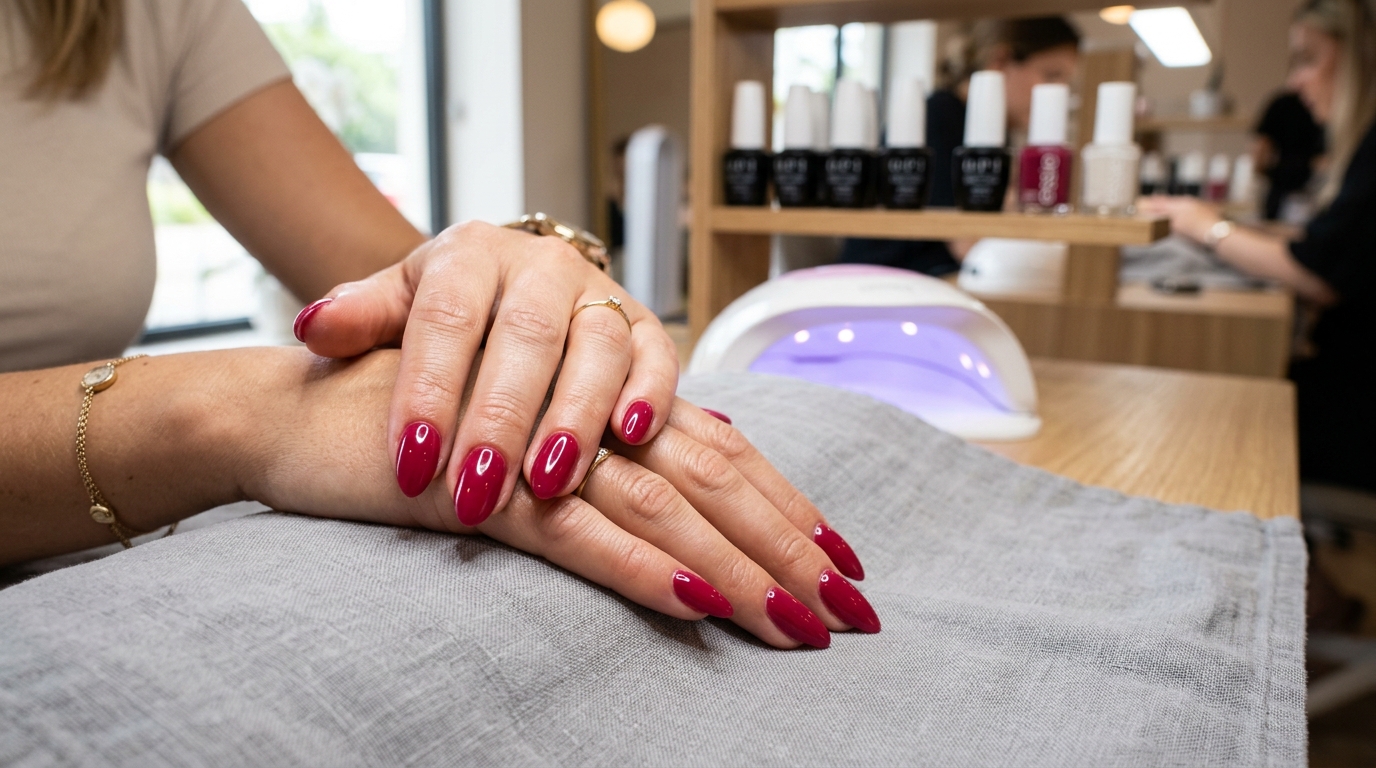
Many nail enthusiasts wonder what is a gel manicure exactly and why it has become so popular recently. Unlike traditional nail polish, this treatment uses a special formula cured under UV or LED light. As a result, the finish lasts significantly longer while resisting chips and smudges throughout daily activities. This guide explains everything from the application process to proper removal techniques and aftercare. Whether you’re considering your first appointment or simply curious about the process, this article covers it all.
How a Gel Manicure Differs from Regular Polish
Traditional nail polish air-dries naturally, which often takes considerable time and risks smudging before fully setting. Conversely, gel polish requires a UV or LED lamp to cure and harden each layer. This curing process happens within seconds, creating an immediately hard, glossy finish without waiting time. Additionally, gel formulas typically contain different chemical compounds that create a more flexible, durable coating. Therefore, gel manicures resist chipping far better than standard polish, often lasting two to three weeks. Furthermore, the glossy shine from gel polish tends to look more vibrant and long-lasting overall. Understanding these fundamental differences helps explain why so many people now prefer this treatment.
The Step-by-Step Application Process
Getting a gel manicure typically follows a consistent process across most professional nail salons. First, your nail technician cleans, shapes, and buffs your natural nails to prepare the surface. Next, they apply a thin base coat, which gets cured under the lamp for several seconds. Afterward, they apply your chosen gel color in thin, even layers, curing each one individually. Typically, two coats of color provide adequate opacity and a smooth, even finish. Once the color cures completely, a glossy top coat seals everything and adds extra shine. Finally, the technician wipes away any sticky residue left on the nail’s surface. This entire process usually takes between thirty and forty-five minutes from start to finish.
What Makes the Curing Process Unique
The curing process represents the most distinctive feature separating gel manicures from traditional polish application. UV lamps emit ultraviolet light, which triggers a chemical reaction that hardens the gel formula instantly. Meanwhile, LED lamps use a different wavelength, often curing gel slightly faster than traditional UV lamps. Each layer requires curing before applying the next, ensuring proper adhesion and preventing smudging issues. Additionally, this curing process creates a notably stronger bond than air-drying methods used for regular polish. Consequently, nails feel hard and ready for activity immediately after leaving the salon chair. This quick-drying benefit makes gel manicures particularly appealing for busy individuals with limited time.
Benefits of Choosing This Nail Treatment
Several advantages explain why gel manicures have gained such widespread popularity among nail care enthusiasts. First, the extended wear time means fewer salon visits compared to traditional polish applications. Additionally, the glossy, vibrant finish often looks more polished and professional than standard nail polish. Many people also appreciate the immediate dry time, eliminating the frustrating wait for polish to set. Furthermore, gel formulas resist chipping and peeling far better, maintaining a flawless appearance for weeks. Some people also find gel manicures strengthen their natural nails by providing additional protective coating. Overall, these combined benefits make this treatment appealing for both special occasions and everyday wear.
Potential Downsides to Consider
Despite numerous benefits, certain drawbacks deserve consideration before committing to this nail treatment regularly. First, gel manicures typically cost more than traditional polish applications at most nail salons. Additionally, removal requires a more involved process than simply wiping away standard nail polish. Improper removal techniques can damage or thin natural nails, leading to weakness over time. Furthermore, prolonged or frequent exposure to UV light raises some skin health considerations worth discussing. Some people also experience allergic reactions to certain gel formulas, though this remains relatively uncommon. Weighing these potential downsides against the benefits helps you make an informed personal decision.
How Long Does a Gel Manicure Actually Last
Longevity remains one of the most appealing aspects of choosing this particular nail treatment. Generally, a well-applied gel manicure lasts between two and three weeks without significant chipping. However, individual factors like nail growth rate and daily activities can affect overall longevity. People who frequently use their hands for manual tasks may notice quicker wear at the tips. Additionally, proper application technique significantly influences how long the gel polish ultimately holds up. Choosing an experienced, skilled technician often results in a longer-lasting, more durable manicure overall. Therefore, investing in quality application pays off through extended wear time and reduced touch-ups.
Proper Removal Techniques You Should Know
Removing gel polish correctly prevents damage to your natural nails during the process. Typically, technicians use acetone-soaked cotton wrapped in foil to soften and dissolve the gel formula. This foil wrap method usually requires ten to fifteen minutes of soaking before the gel loosens. Afterward, the technician gently scrapes away the softened gel using a cuticle pusher or similar tool. Importantly, forcing or peeling gel polish without proper soaking can severely damage the natural nail surface. Therefore, always visit a professional or follow proper soak-off techniques when removing gel polish yourself. Patience during this removal process protects your natural nails from unnecessary thinning or weakness.
At-Home Removal: Is It Safe?
Many people wonder whether removing gel polish at home provides a safe, viable alternative to salon visits. With proper technique and patience, at-home removal can work safely without damaging natural nails. Start by gently buffing the top, glossy layer to help acetone penetrate the gel more effectively. Next, soak cotton balls in acetone and wrap them around each nail using small foil pieces. Allow the foil wraps to sit for approximately fifteen minutes before checking for loosened gel. Afterward, gently push away the softened polish using a cuticle stick rather than forceful scraping. Following these careful steps minimizes damage risk while still achieving successful gel removal at home.
Caring for Your Nails Between Manicures
Proper aftercare helps maintain healthy nails whether you’re between gel manicure appointments or removal sessions. Regularly applying cuticle oil keeps the surrounding skin hydrated and prevents dryness or cracking. Additionally, wearing gloves during household chores protects both your manicure and natural nails from damage. Avoiding excessive water exposure helps prevent lifting or premature chipping of your gel polish. Furthermore, gently filing any rough edges prevents snagging on clothing or accidentally damaging the gel surface. Taking these small precautionary steps extends the life of your manicure while protecting nail health overall. Consistent care between appointments ultimately contributes to stronger, healthier nails long-term.
Gel Manicures and Nail Health: What to Know
Many people question whether regular gel manicures negatively impact long-term nail health and strength. When applied and removed correctly, gel manicures generally don’t cause significant damage to natural nails. However, improper removal, particularly forceful peeling, can thin nails and create lasting weakness. Additionally, excessive buffing during preparation can also weaken the nail’s protective surface over repeated applications. Therefore, choosing skilled, experienced technicians significantly reduces potential risks to your natural nail health. Some nail experts recommend occasional breaks between gel manicures to allow nails periods of recovery. Listening to your nails and adjusting your routine accordingly supports long-term nail health.
Choosing the Right Salon for Your Manicure
Selecting a reputable, skilled salon significantly impacts both your results and overall nail health. Look for salons with proper sanitation practices, including sterilized tools and clean, organized workspaces. Additionally, reading online reviews helps identify technicians known for skilled, careful gel application and removal. Asking friends or family for recommendations often leads to discovering trusted, reliable nail technicians. Furthermore, observing how a salon handles consultations and addresses your specific nail concerns matters significantly. Don’t hesitate to ask questions about products used or removal techniques before committing to service. Taking time to research salons ultimately ensures a safer, more satisfying manicure experience.
Cost Considerations and What Affects Pricing
Understanding typical pricing helps you budget appropriately for regular gel manicure appointments. Generally, gel manicures cost more than traditional polish due to additional products and time required. Location significantly affects pricing, with urban areas typically charging more than smaller, rural communities. Additionally, intricate nail art or specialty designs often increase the overall cost of your appointment. Salon reputation and technician experience also influence pricing, with established salons often charging premium rates. Furthermore, removal services sometimes incur additional fees, particularly if not included in your original appointment. Considering these various factors helps you find a salon that fits both your budget and expectations.
Alternatives Worth Considering
While gel manicures remain popular, several alternative options exist for those seeking different nail treatments. Dip powder manicures offer similarly long-lasting wear without requiring UV or LED light curing. Meanwhile, traditional polish remains the most affordable, accessible option for occasional or budget-conscious nail care. Additionally, gel-polish hybrids combine elements of both traditional and gel formulas for moderate durability. Some people also explore semi-permanent nail strips as a quick, at-home alternative to salon visits. Exploring these alternatives helps you find the treatment that best matches your lifestyle and preferences. Ultimately, personal priorities around cost, durability, and convenience should guide your final decision.
Final Thoughts
Understanding this popular nail treatment helps you make informed decisions about your personal nail care routine. From the unique curing process to proper removal techniques, knowledge empowers better salon experiences overall. Additionally, weighing the benefits against potential downsides ensures realistic expectations before your appointment. Whether you choose this treatment for special occasions or regular maintenance, proper care matters significantly. With the right salon, skilled technician, and consistent aftercare, you can enjoy beautiful, long-lasting results. Ultimately, this treatment offers a reliable, polished option for anyone seeking durable, vibrant nail color.