
 By snap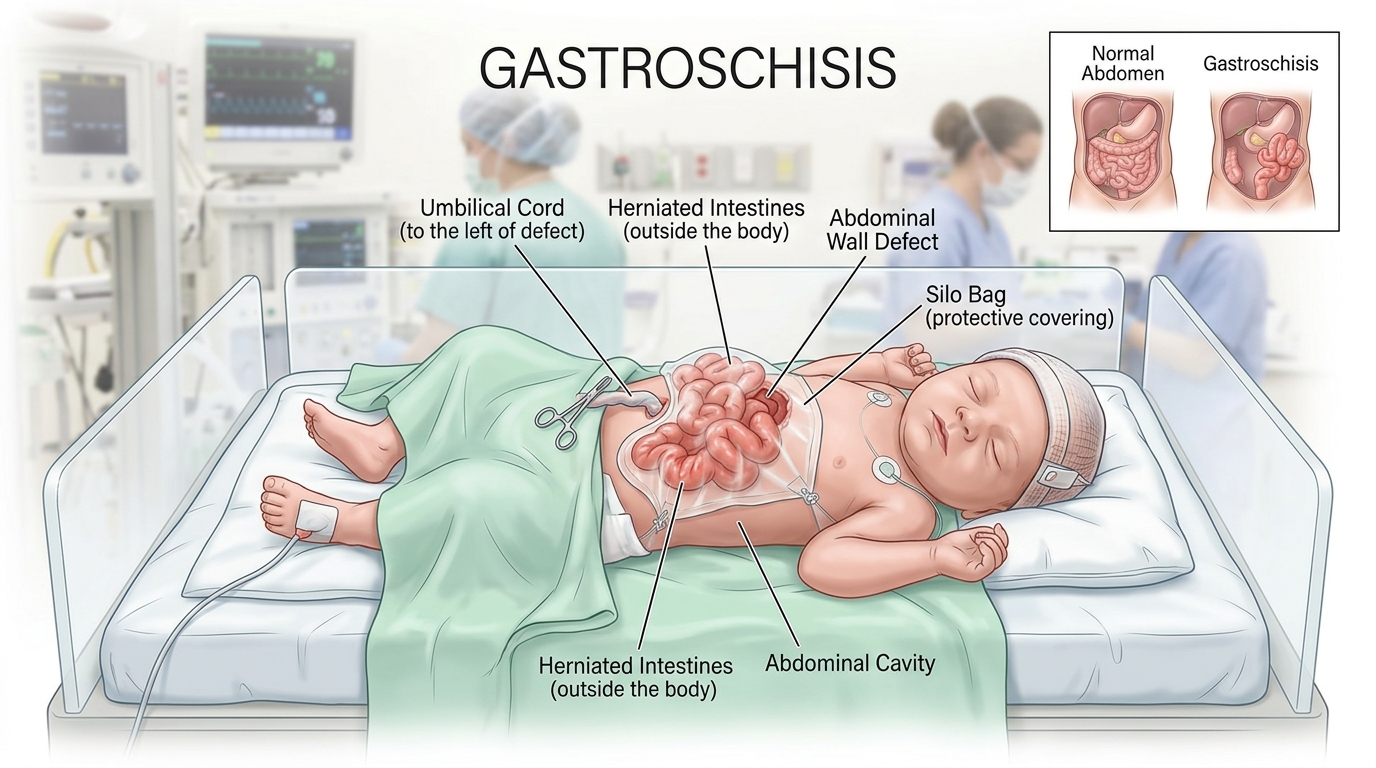
Receiving a serious medical diagnosis for a newborn overwhelms even the most prepared and emotionally resilient parents imaginable. Gastroshiza, a significant abdominal wall defect in infants, requires immediate medical attention and careful long-term management from experienced specialists. Furthermore, understanding this condition thoroughly helps parents make informed decisions and advocate effectively for their child’s health needs. Therefore, this comprehensive guide covers everything families need to know about Gastroshiza from diagnosis through full recovery.
What Is Gastroshiza?
Understanding This Serious Congenital Abdominal Condition
Gastroshiza refers to a birth defect where intestines and sometimes other organs protrude outside the baby’s body. Additionally, this protrusion occurs through a small opening located beside the belly button rather than through it directly. Consequently, exposed organs lack the protective amniotic fluid covering that keeps developing tissues healthy and properly contained throughout pregnancy.
Furthermore, this condition differs from similar defects like omphalocele because it involves no protective membrane covering the exposed organs. Therefore, medical teams treat Gastroshiza as a true neonatal emergency that demands immediate surgical intervention after birth. Moreover, understanding the exact nature of this defect helps parents prepare emotionally and practically for the challenging journey ahead.
How Common Is Gastroshiza?
Prevalence Rates and Rising Diagnosis Trends Worldwide
Medical researchers have documented a gradual but consistent increase in Gastroshiza diagnoses across multiple countries over recent decades. Additionally, current estimates suggest that approximately one in every two thousand births involves this particular abdominal wall defect globally. Furthermore, younger mothers under twenty-five years of age show statistically higher rates of delivering babies with this condition.
Moreover, improved prenatal screening technology now identifies this defect earlier in pregnancy than medical teams could previously detect reliably. Consequently, families receive more preparation time and medical teams arrange specialized delivery plans well in advance of the birth. Therefore, early detection significantly improves outcomes by ensuring that the right specialists and equipment stand ready at delivery.
What Causes Gastroshiza?
Exploring the Known and Unknown Risk Factors
Medical science has not yet identified a single definitive cause that explains every confirmed case of this condition. However, researchers strongly associate several environmental and lifestyle risk factors with significantly elevated likelihood of occurrence during pregnancy. Additionally, young maternal age, cigarette smoking, alcohol consumption, and certain recreational drug exposures all increase statistical risk considerably.
Furthermore, some studies suggest that nutritional deficiencies during early pregnancy may also contribute to abnormal abdominal wall development in fetuses. As a result, healthcare providers strongly encourage all pregnant women to follow comprehensive prenatal care protocols from the earliest possible stage. Moreover, while genetic factors play a smaller role here than in some defects, family medical history still deserves thorough discussion with specialists.
Recognizing Gastroshiza During Pregnancy
Prenatal Screening and Diagnostic Approaches
Most cases today receive identification during routine second-trimester ultrasound examinations that doctors perform between eighteen and twenty weeks. Additionally, maternal blood tests measuring alpha-fetoprotein levels sometimes raise initial concerns that lead doctors toward more detailed imaging investigations. Furthermore, a detailed anomaly scan confirms the diagnosis and helps specialists assess which organs protrude and how severely.
Moreover, once medical teams confirm the diagnosis, they refer parents immediately to a specialist maternal-fetal medicine center for comprehensive management. Consequently, the remainder of the pregnancy requires more frequent monitoring including regular ultrasounds to track organ condition and fetal growth. Therefore, early diagnosis genuinely saves lives by activating the specialized care pathways that these complex cases absolutely require.
What Happens at Delivery?
Planning and Executing a Safe Birth for Affected Infants
Medical teams strongly recommend that mothers carrying affected babies deliver at hospitals with dedicated neonatal surgical units onsite. Additionally, many specialists prefer planned cesarean sections or carefully managed vaginal deliveries that minimize trauma to exposed abdominal organs. Furthermore, the delivery room team typically includes neonatologists, pediatric surgeons, and specialized nursing staff working together simultaneously.
Moreover, immediately after birth, nurses wrap the baby’s exposed organs in sterile saline-soaked dressings to prevent dangerous drying and contamination. As a result, the infant moves directly to a neonatal intensive care unit where surgical teams begin detailed assessment and preparation. Therefore, the moments following delivery involve rapid, coordinated medical action that sets the foundation for successful surgical repair and recovery.
Surgical Treatment Options
How Surgeons Repair Abdominal Wall Defects in Newborns
Pediatric surgeons choose between two primary surgical approaches depending on the severity and specific characteristics of each case. Additionally, primary closure involves returning all protruding organs into the abdomen and closing the abdominal wall during one single operation. Furthermore, surgeons pursue this approach when the abdominal cavity proves large enough to accommodate the returning organs comfortably and safely.
However, more complex cases require a staged repair approach using a temporary silo device that gradually returns organs over several days. Moreover, the silo hangs above the baby and uses gentle gravity to slowly coax intestines back into the abdominal cavity progressively. Consequently, the staged approach reduces dangerous pressure on the abdominal cavity and allows organs to settle naturally before final surgical closure occurs.
Post-Surgery Recovery in the NICU
What Parents Can Realistically Expect During Hospital Recovery
Recovery following surgical repair typically requires several weeks of intensive monitoring and specialized care within the neonatal unit. Additionally, most infants cannot feed orally immediately after surgery because their intestines require significant recovery time before functioning normally. Furthermore, medical teams provide complete nutrition intravenously through a process called total parenteral nutrition during this critical waiting period.
Moreover, parents should expect their baby to remain connected to multiple monitors, intravenous lines, and sometimes breathing support equipment initially. As a result, the NICU environment can feel deeply intimidating for families who have never experienced neonatal intensive care before. Therefore, hospitals with strong parent support programs and family-centered care philosophies genuinely improve the emotional experience for families during this difficult time.
Feeding Challenges and Intestinal Recovery
Navigating the Long Road to Normal Digestive Function
Intestines that spend extended time outside the body often experience inflammation and reduced motility that complicates early feeding attempts significantly. Additionally, medical teams introduce feeds very gradually, starting with tiny volumes and increasing amounts only as the infant tolerates each progression. Furthermore, some babies develop a condition called short bowel syndrome if surgeons must remove damaged intestinal tissue during the repair procedure.
Moreover, occupational therapists and feeding specialists work closely with affected infants to support oral feeding development as recovery progresses. Consequently, families must maintain realistic expectations because achieving full oral feeding sometimes takes many months of patient, consistent effort. Therefore, connecting with a specialist feeding team early in recovery dramatically improves outcomes and reduces the frustration that families commonly experience.
Long-Term Health Outlook
Understanding the Prognosis for Children With This Condition
The long-term prognosis for children who receive timely and expert treatment remains genuinely encouraging for most families today. Additionally, the vast majority of affected infants grow into healthy children without significant ongoing gastrointestinal complications requiring further major interventions. Furthermore, advances in neonatal surgery and intensive care have steadily improved survival rates and quality of life outcomes over recent decades.
Moreover, some children experience ongoing digestive sensitivities including food intolerances, constipation, or slower gut motility that requires dietary management throughout childhood. As a result, regular follow-up appointments with pediatric gastroenterologists and surgeons remain important for monitoring long-term digestive health consistently. Therefore, families who maintain proactive engagement with specialist healthcare teams consistently achieve the best possible long-term outcomes for their children.
Emotional Support for Families
Caring for Your Mental Health During a Medical Crisis
Parenting an infant through a serious surgical condition places enormous emotional strain on every family member involved. Additionally, feelings of fear, guilt, helplessness, and grief represent completely normal responses to an extraordinarily stressful and frightening situation. Furthermore, parents who seek psychological support early in the process cope significantly better throughout the long treatment journey ahead.
Moreover, connecting with other families who have navigated similar experiences provides comfort and practical wisdom that professionals alone cannot offer. Consequently, many hospitals now facilitate peer support groups and online communities specifically for families of children with congenital conditions. Therefore, reaching out for emotional support represents not a sign of weakness but rather a genuinely wise and healthy decision for every parent.
Questions to Ask Your Medical Team
Empowering Yourself With the Right Information
Parents who ask informed, specific questions during medical consultations consistently feel more confident and less overwhelmed throughout treatment. Additionally, asking about the surgeon’s experience with this specific condition helps families assess the expertise available at their chosen center. Furthermore, understanding the anticipated surgical timeline, feeding progression plan, and likely discharge timeline reduces uncertainty and improves emotional preparation significantly.
Moreover, families should ask medical teams about realistic expectations for complications, follow-up scheduling, and long-term developmental monitoring after discharge. As a result, parents enter each stage of treatment with clearer expectations and stronger emotional readiness than those who remain uninformed. Therefore, never hesitate to ask every question your mind generates because informed parents become the most effective advocates for their vulnerable children.
Final Thoughts
Gastroshiza presents extraordinary challenges, but families who access expert care and strong support systems navigate this journey with remarkable resilience. Furthermore, medical advances continue improving outcomes, giving today’s affected infants significantly better prospects than previous generations ever experienced. Therefore, parents facing this diagnosis should draw genuine hope from the growing body of positive outcomes that specialist teams achieve daily.
In conclusion, surround yourself with knowledgeable medical professionals, compassionate support networks, and reliable information that empowers rather than frightens you throughout this process. Additionally, trust that your love, presence, and advocacy make a profound difference in your child’s recovery and long-term wellbeing every single day. After all, informed, connected, and emotionally supported families consistently give their children the strongest possible foundation for a healthy and fulfilling future.